The 2025–2026 MigFoRest planting season is now well underway, deploying assisted migration across Belgium, France and Germany. In this first part, we focus on Belgium (Wallonia and Flanders). Together, the two regions have already planted over 8,500 trees since the start of the project, preparing Belgian forests for tomorrow’s climate.
Wallonia
During autumn–winter 2025–2026, over 5,800 trees are being planted in Wallonia, bringing the total since the project’s beginning to more than 6,500. The following species and provenances are being planted in the pilot territories Condroz and Ardenne Méridionale:
- Downy oak (Quercus pubescens, from Italy)
- Sessile oak (Quercus petraea, from Slovakia)
- Hungarian oak (Quercus frainetto, from Bulgaria)
- Pedunculate oak (Quercus robur, from Poland)
- European beech (Fagus sylvatica, from France)
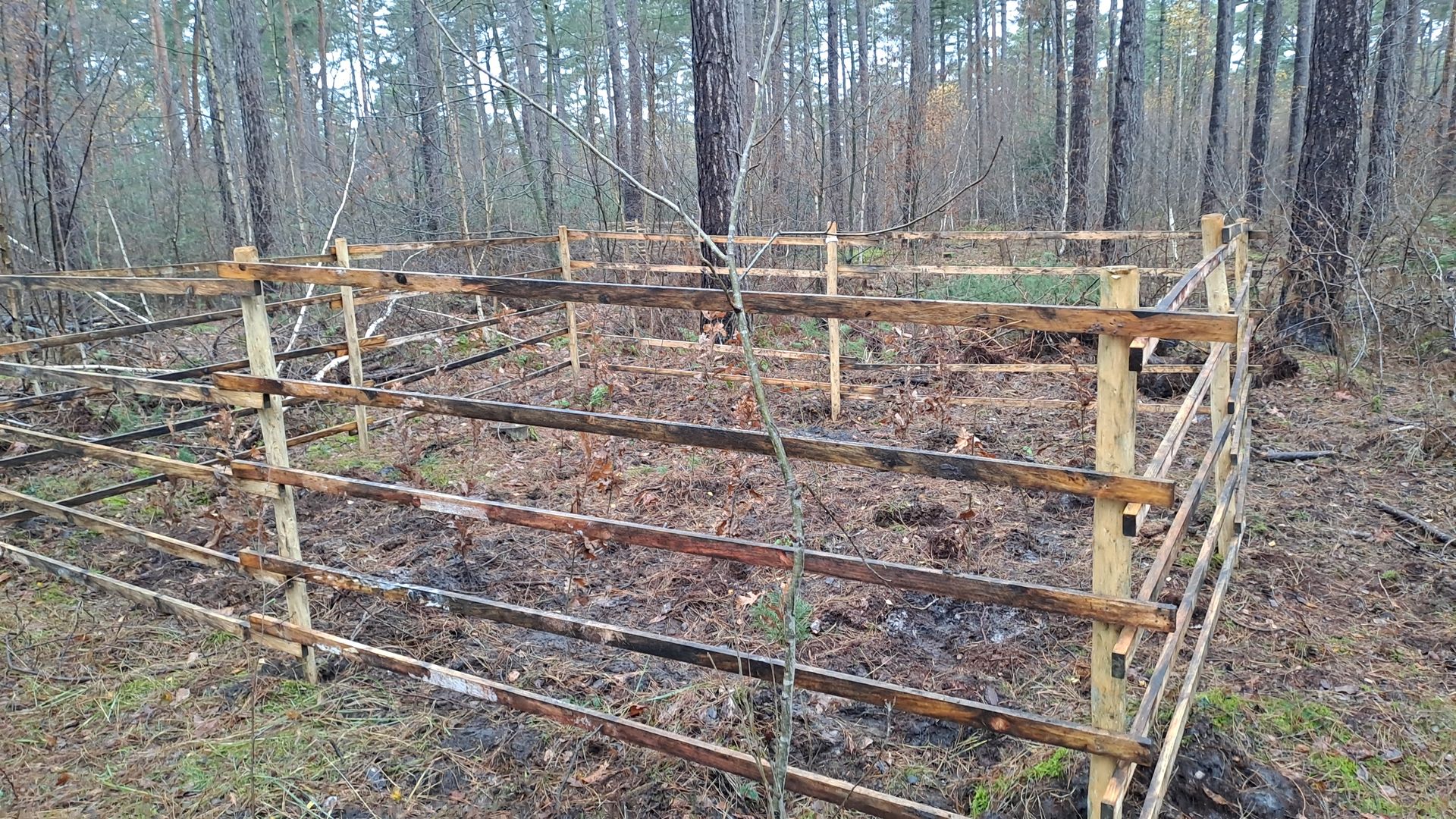
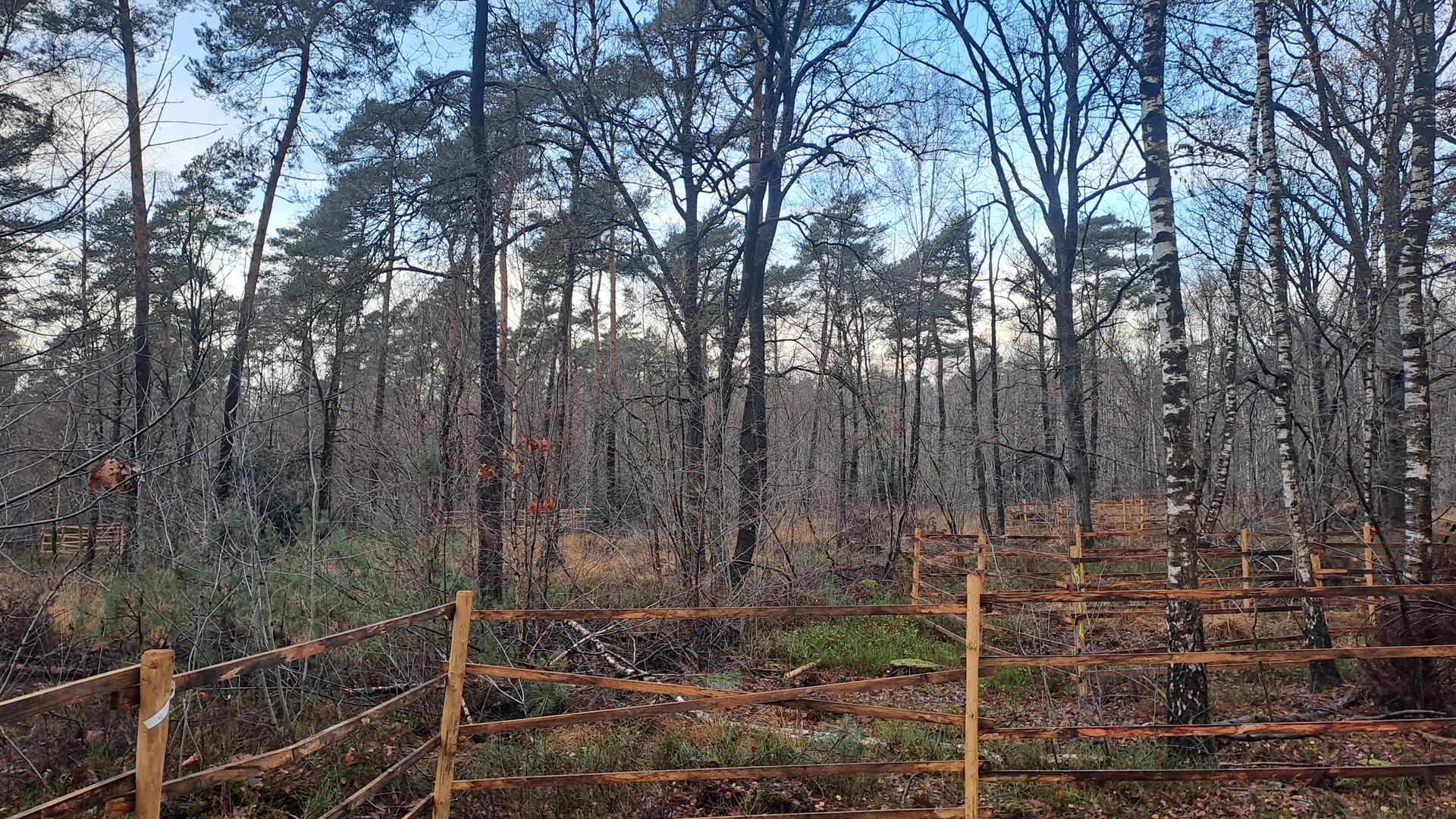
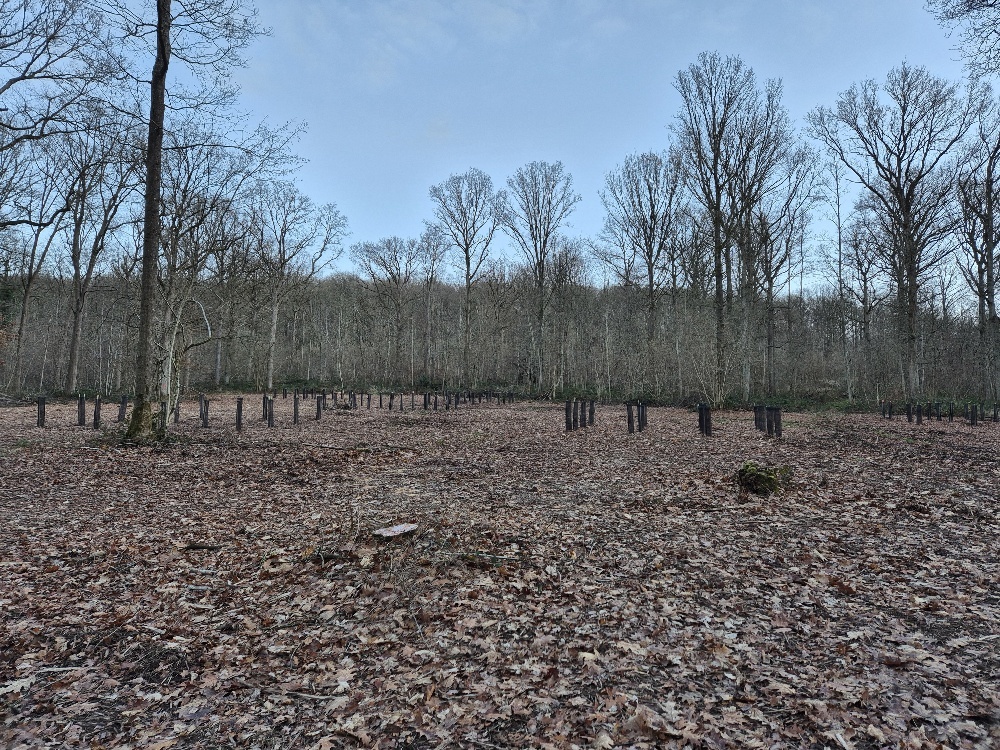
Trees are planted in enrichment cells (16–25 trees) in strategic zones that strengthen ecological connectivity while enriching vulnerable areas.
The plantings in Wallonia are managed by project lead partner SRFB (Société Royale Forestière de Belgique), in coordination with private forest owners or municipalities.
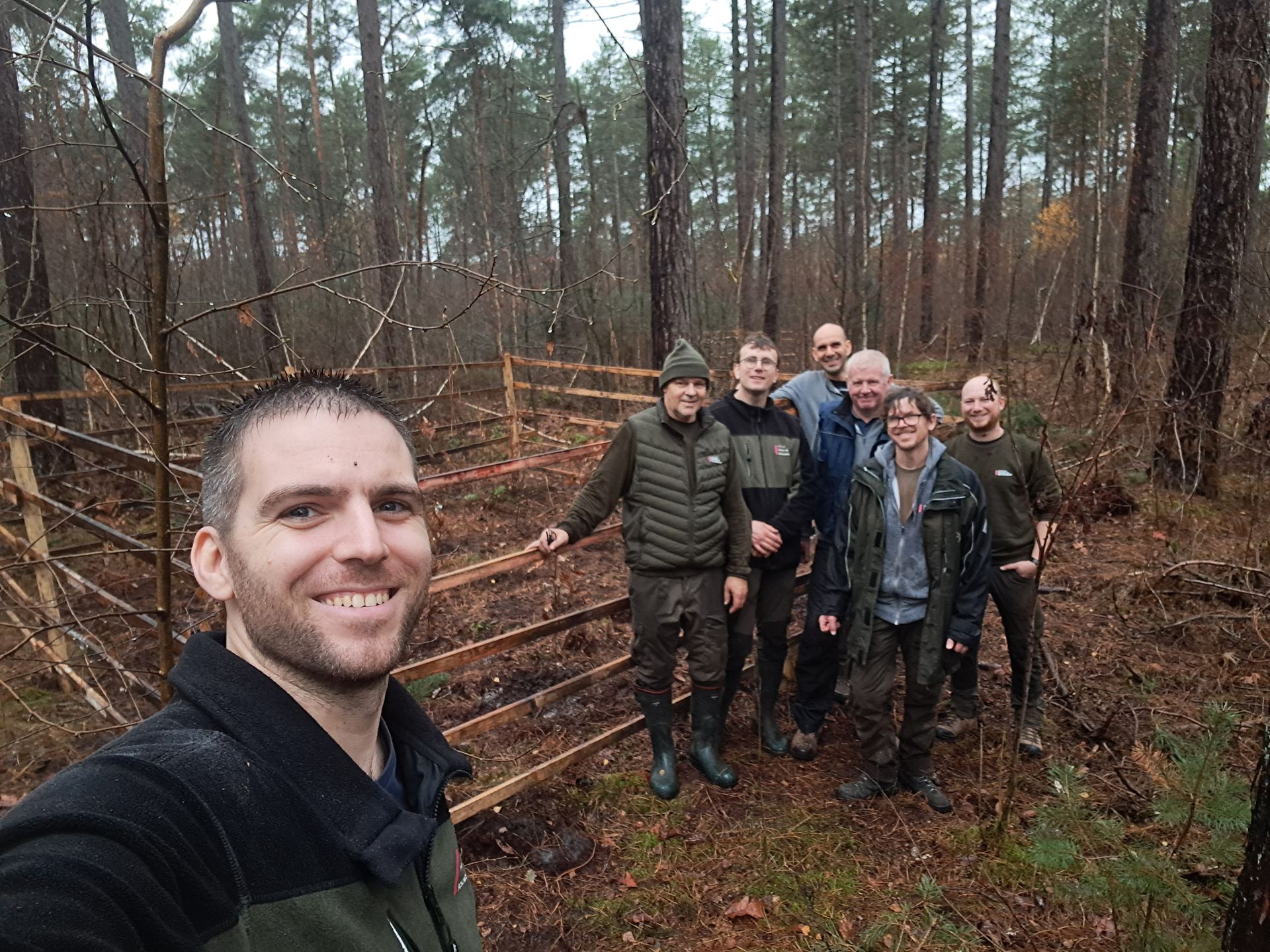
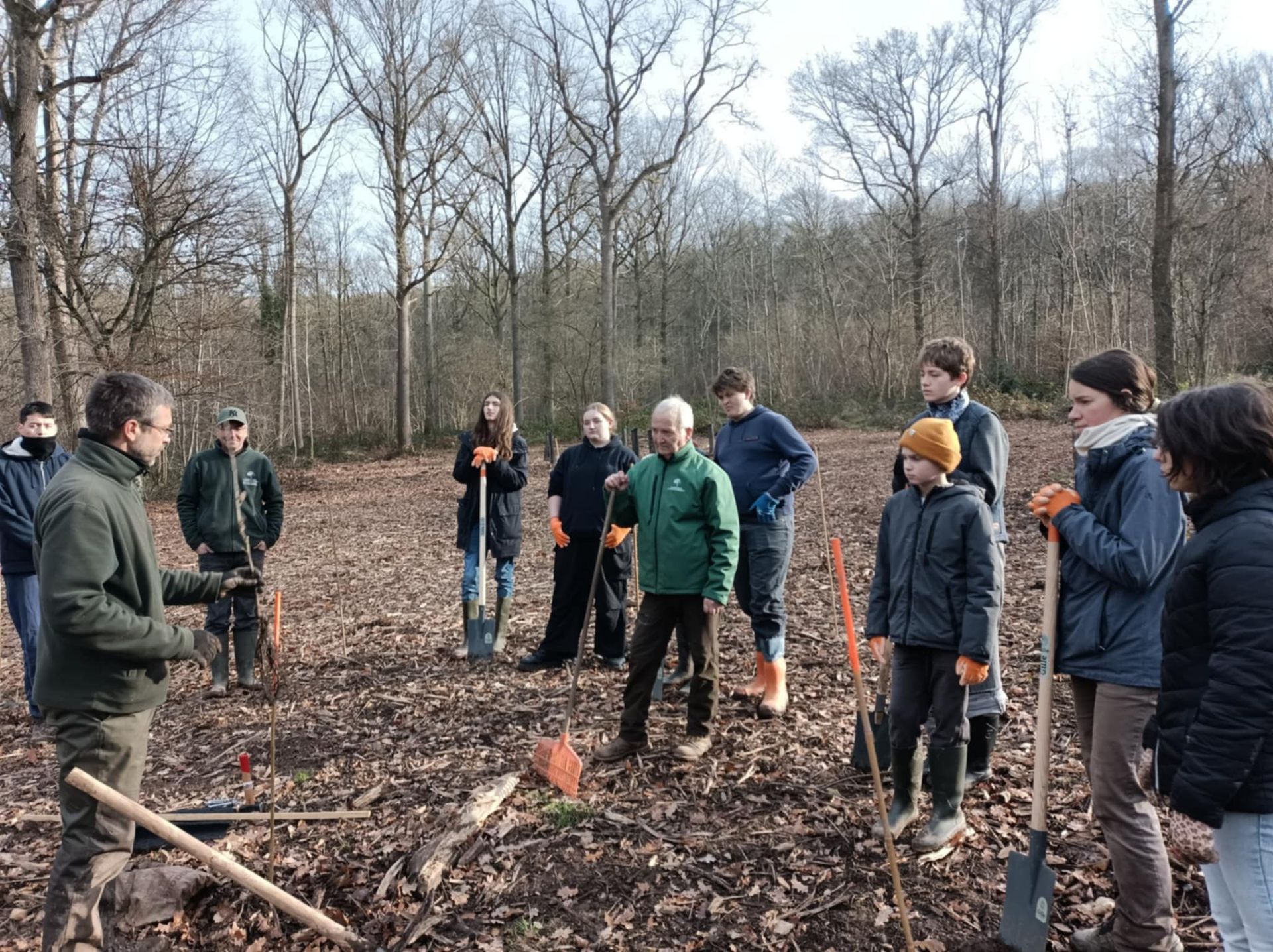
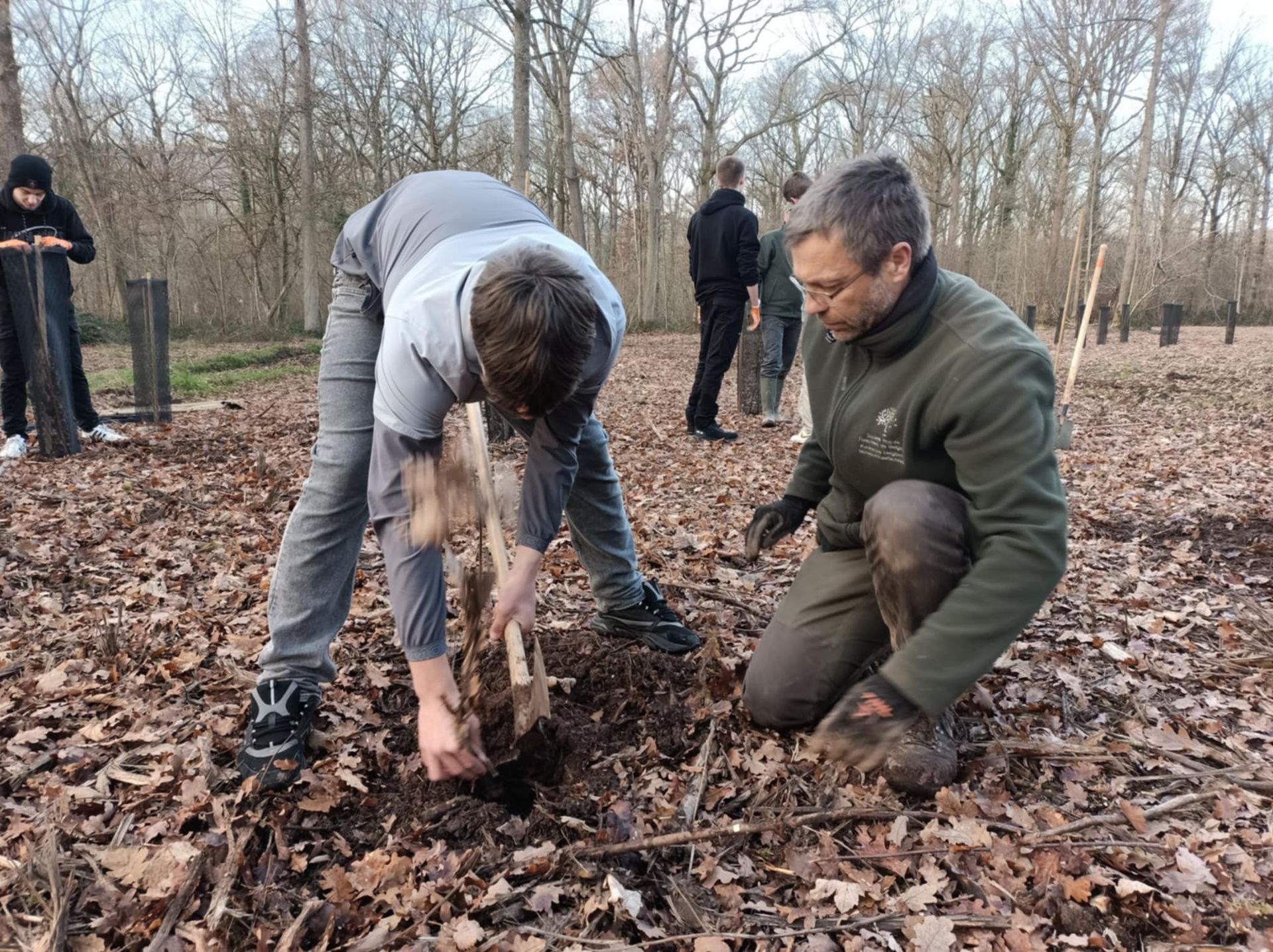
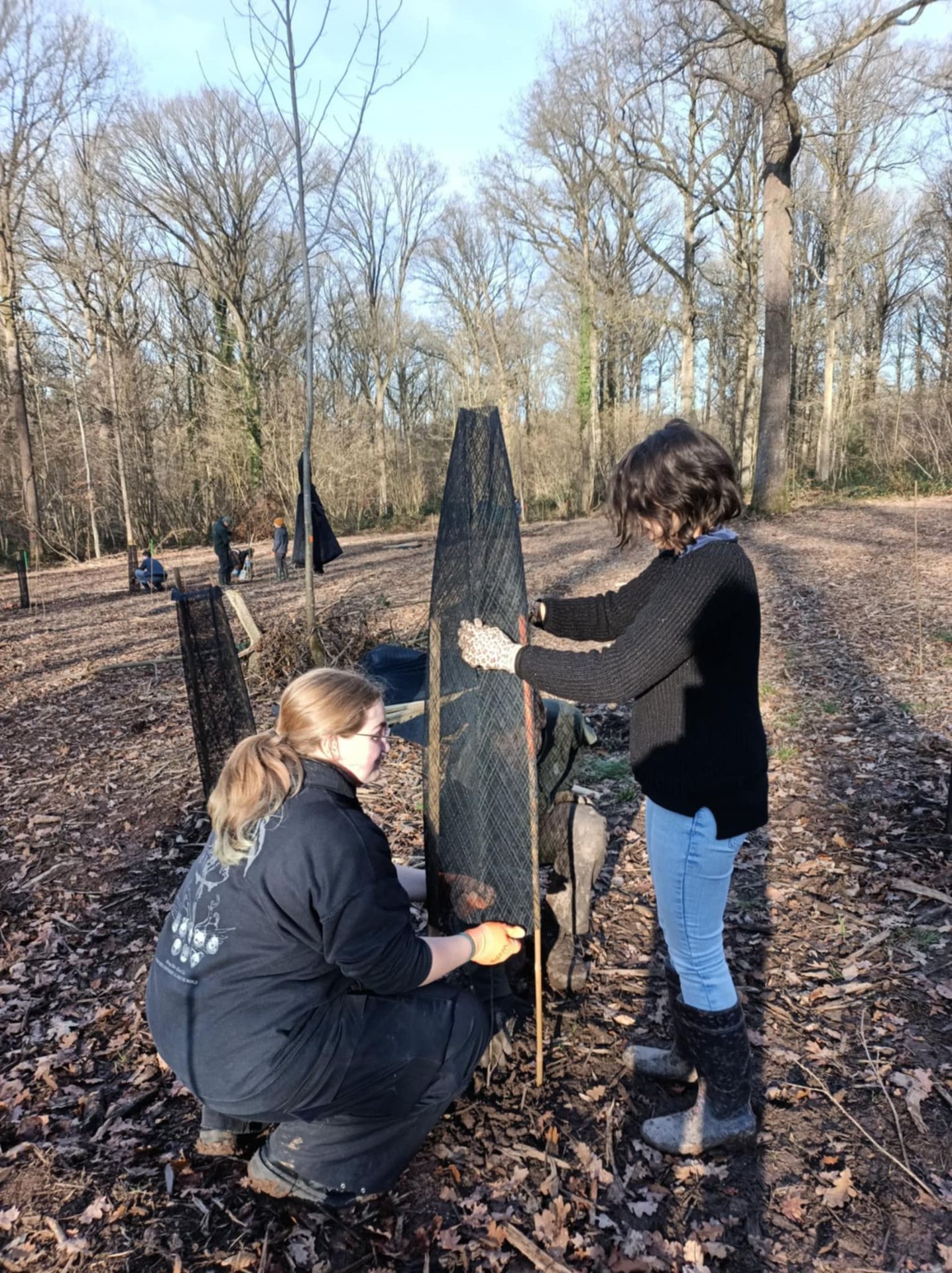
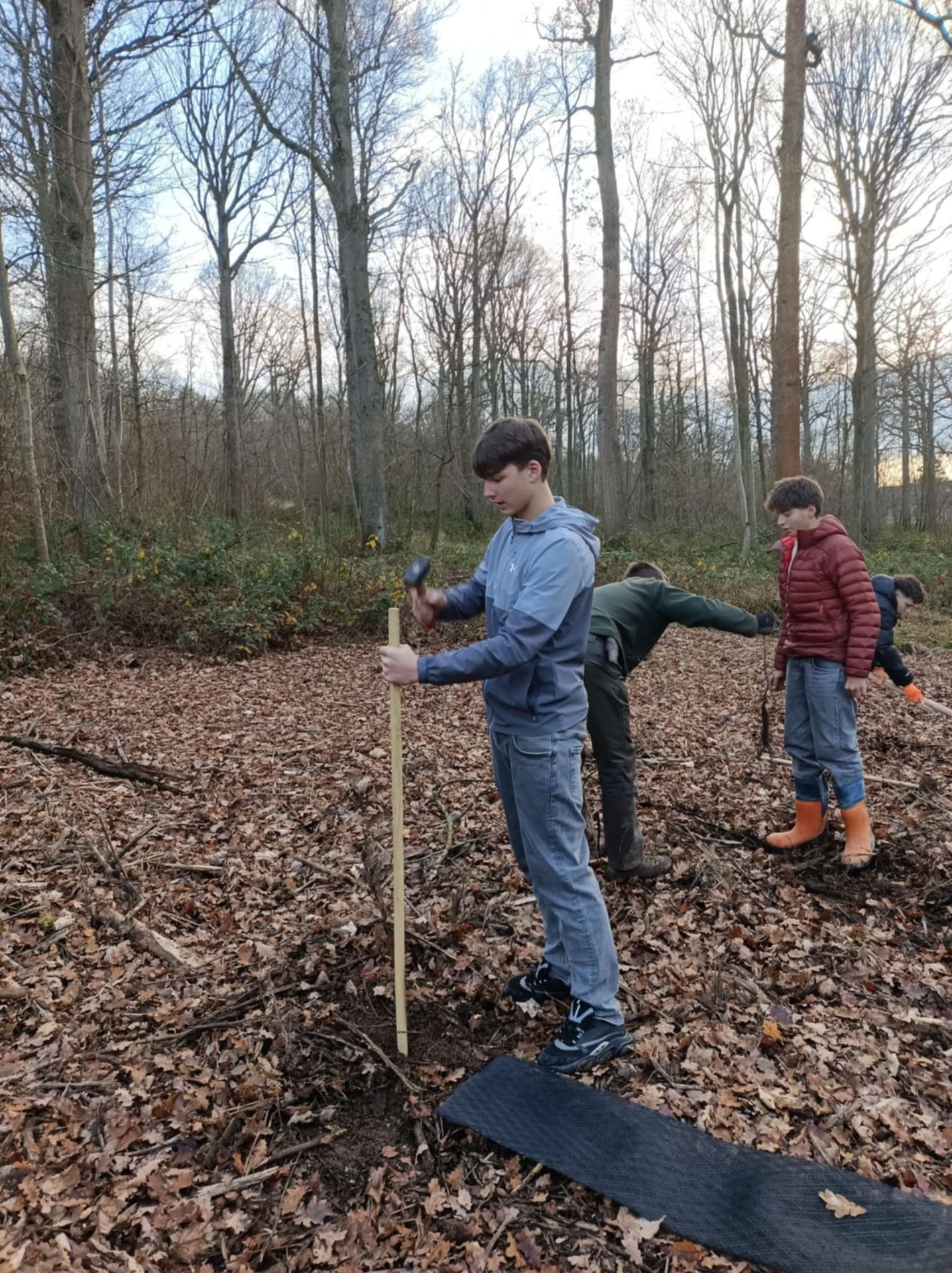
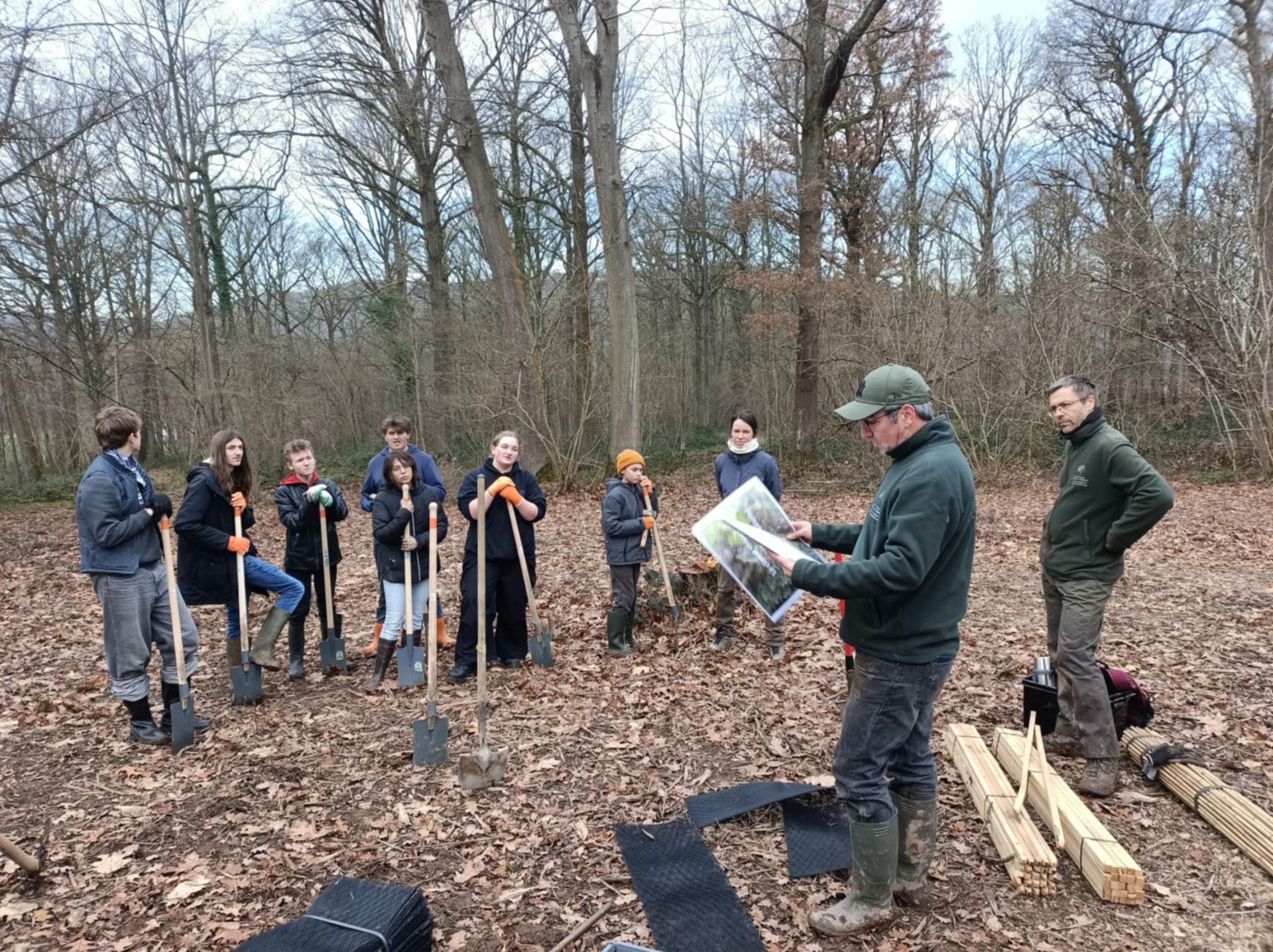
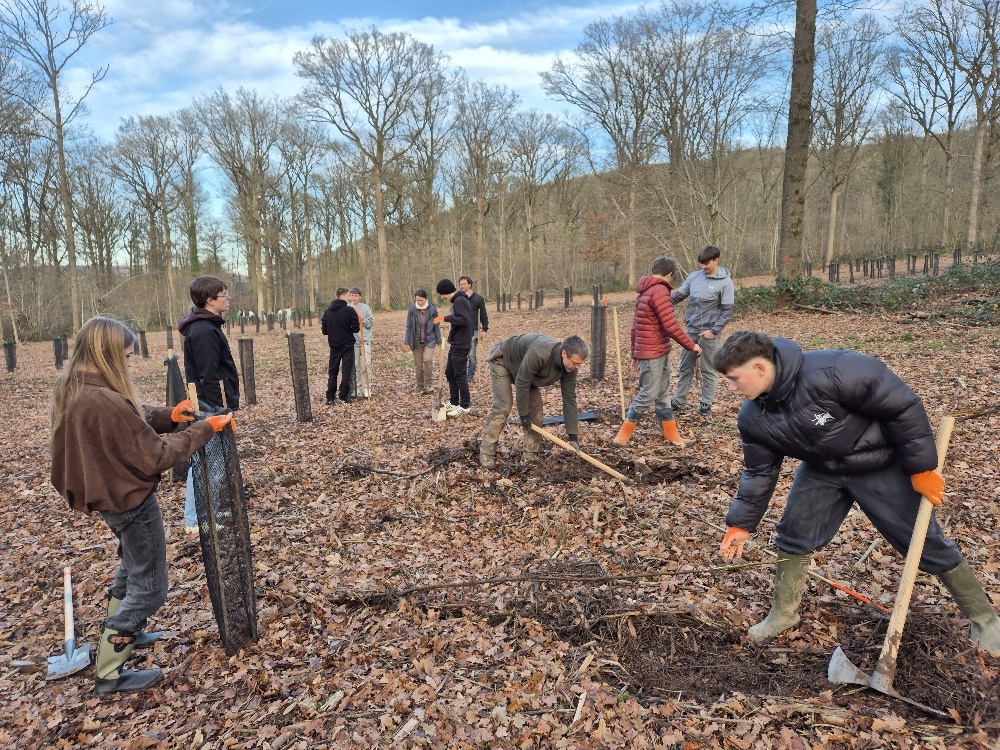
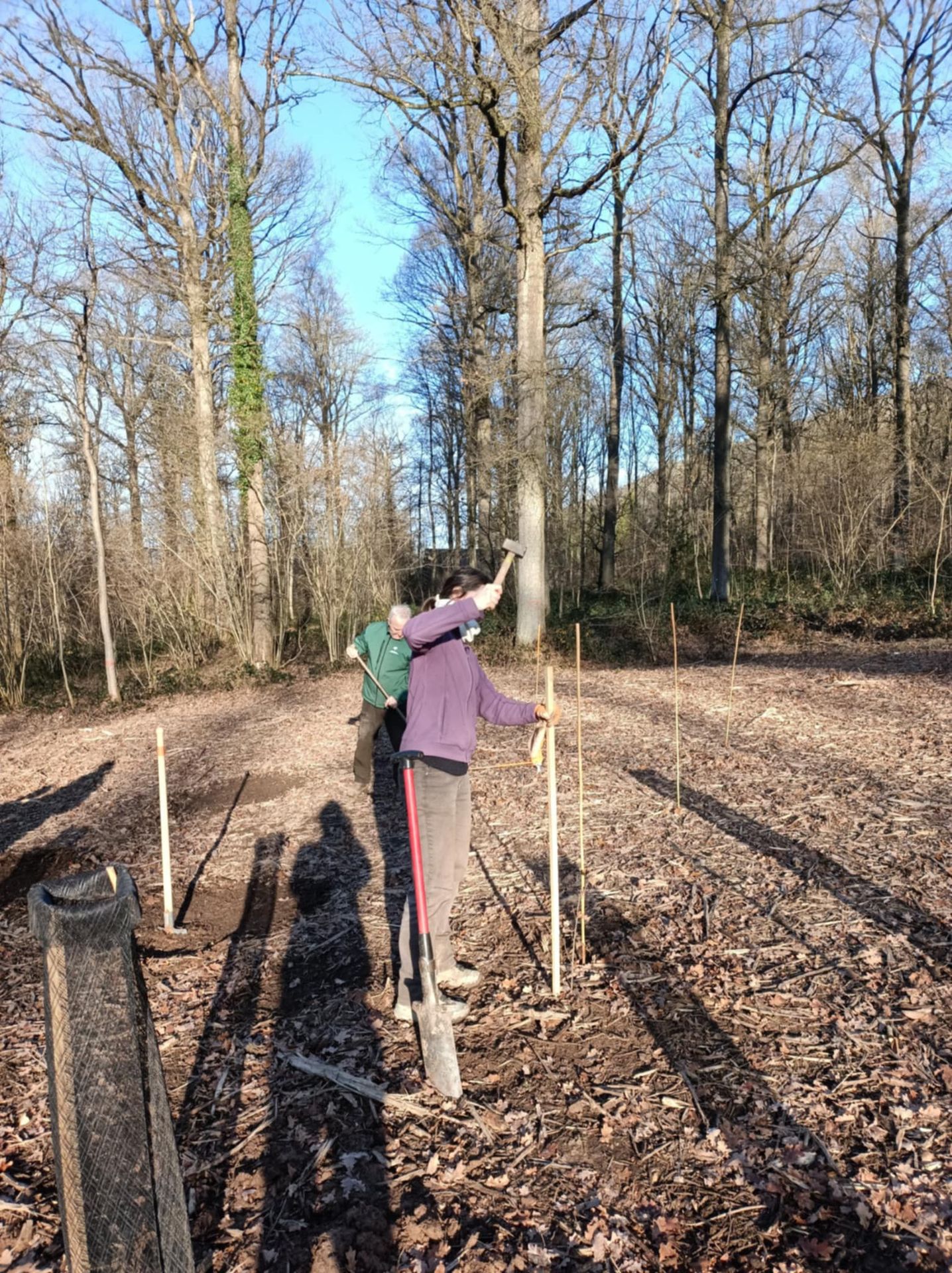
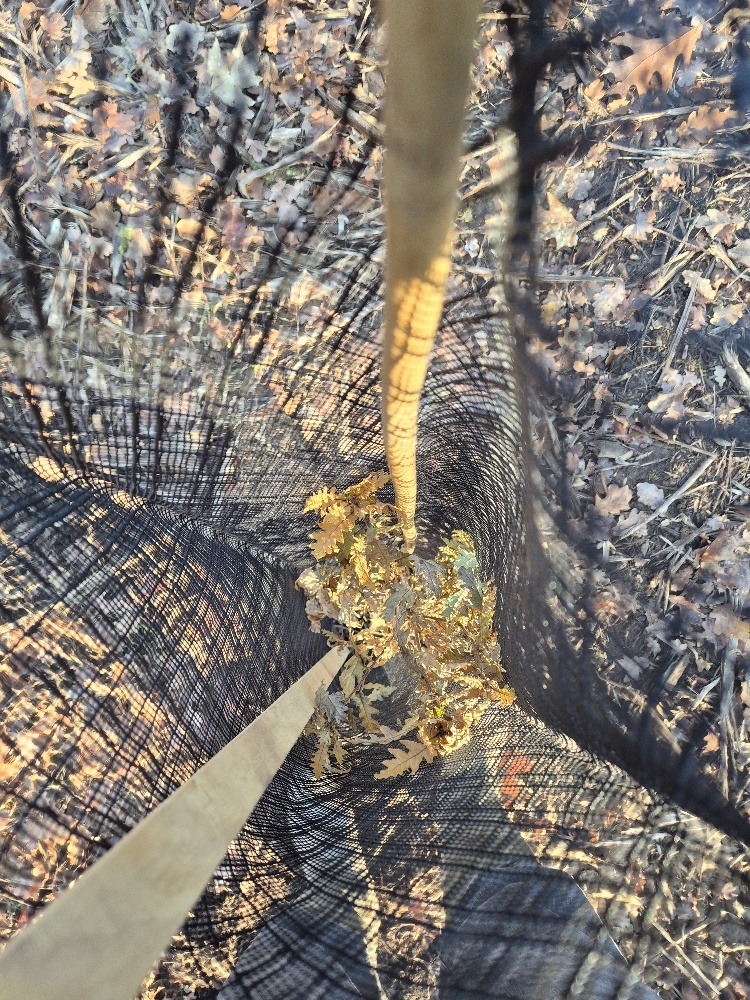
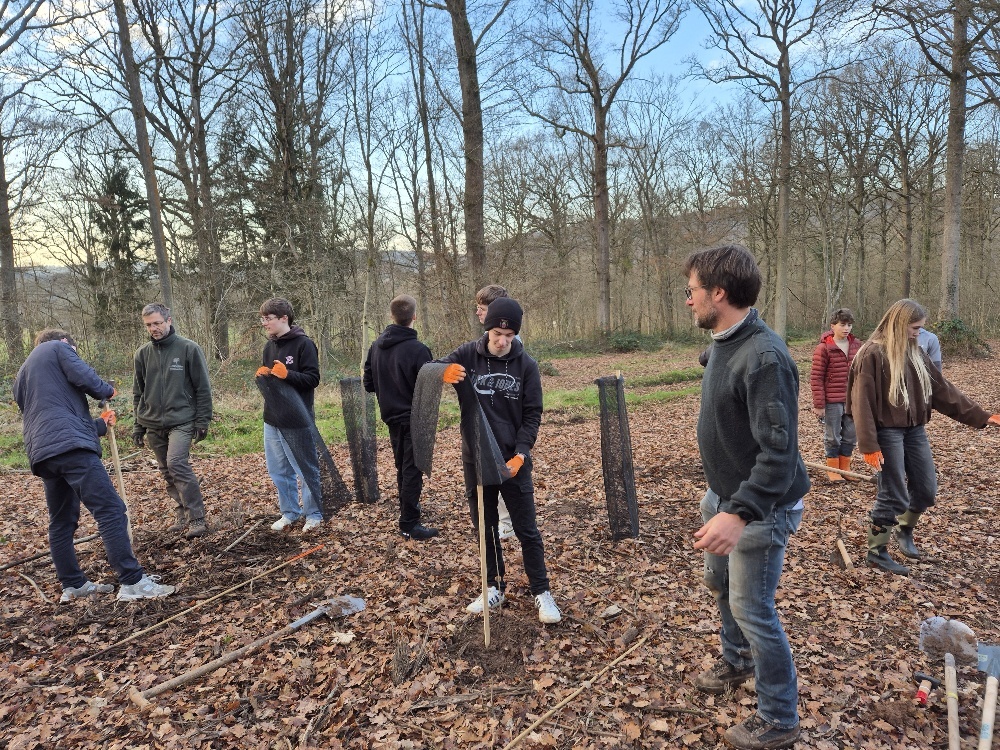
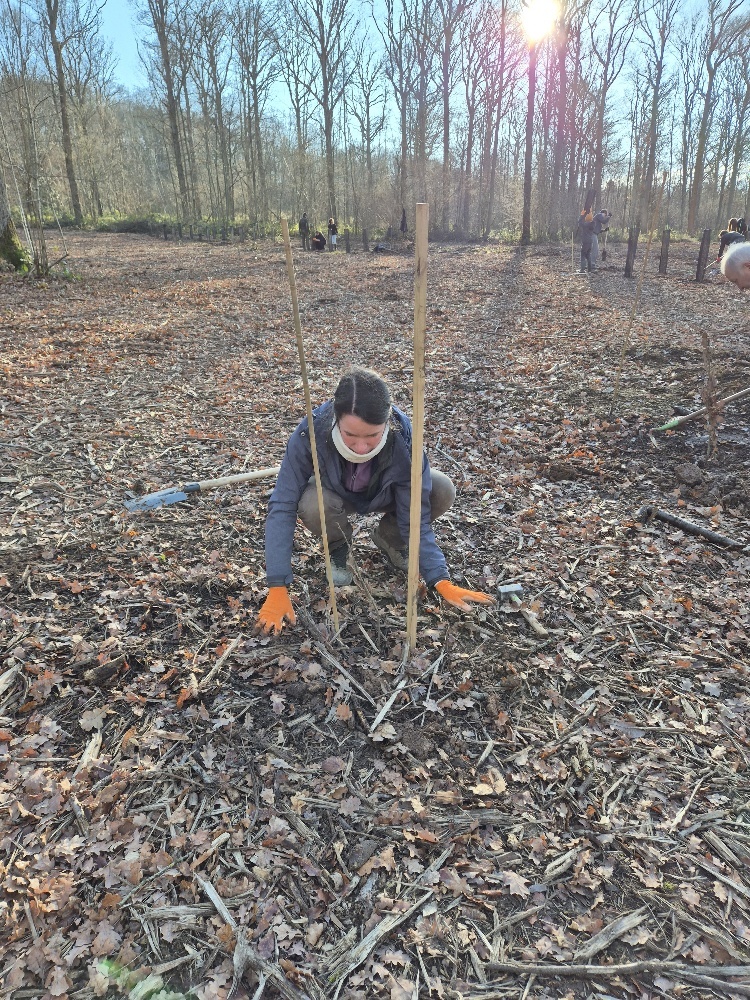
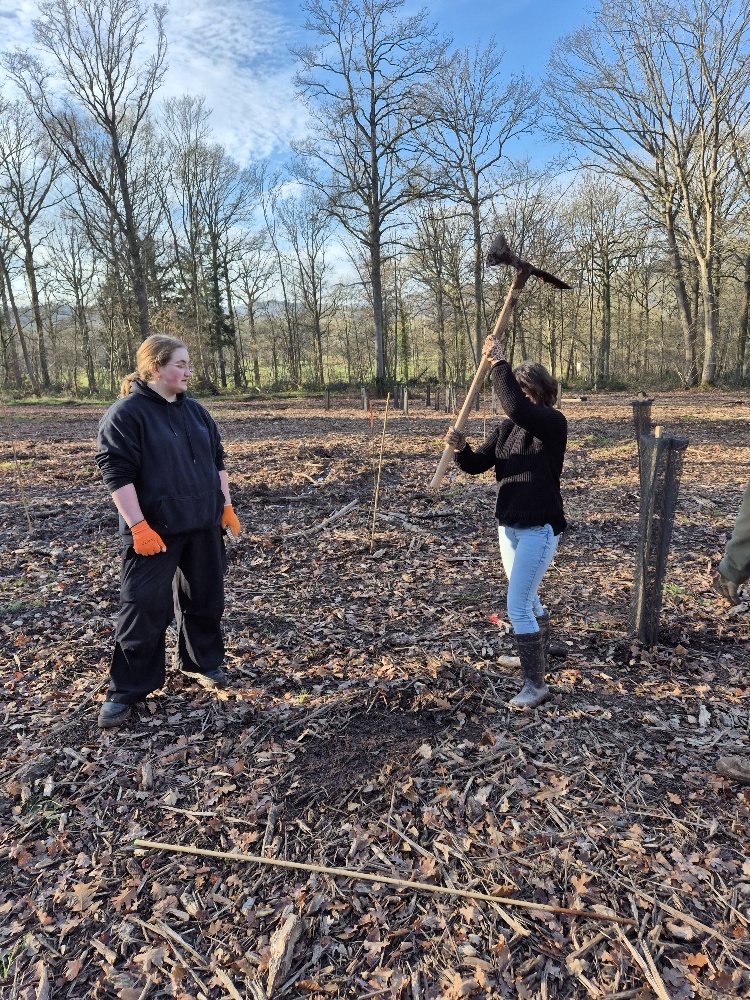
On December 15, as shown on the pictures below, 22 students from Collège de Godinne-Burnot, accompanied by their science teachers, participated in the planting. This hands-on experience proved a powerful way to raise awareness about climate challenges facing our forests
Flanders
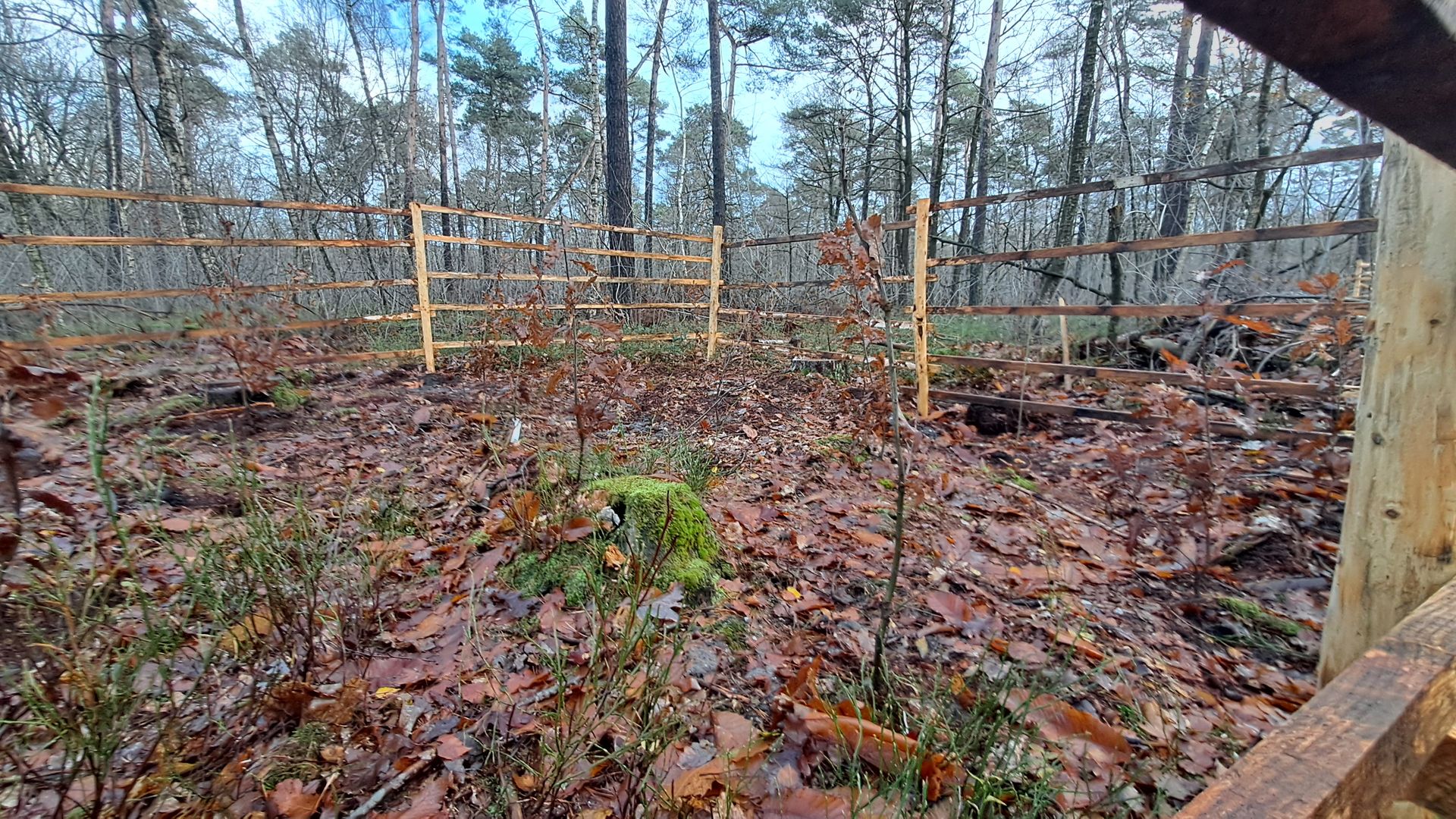
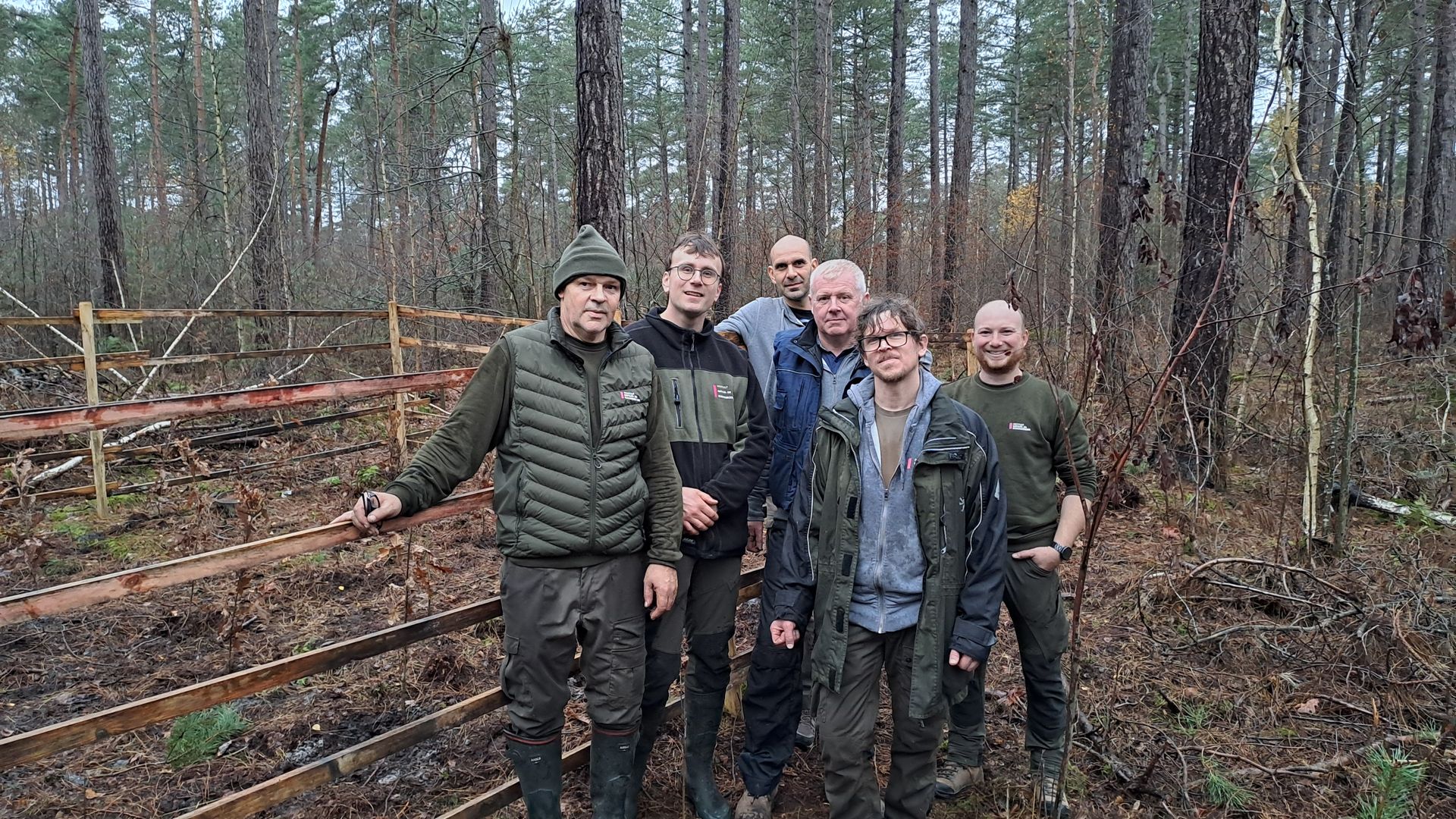
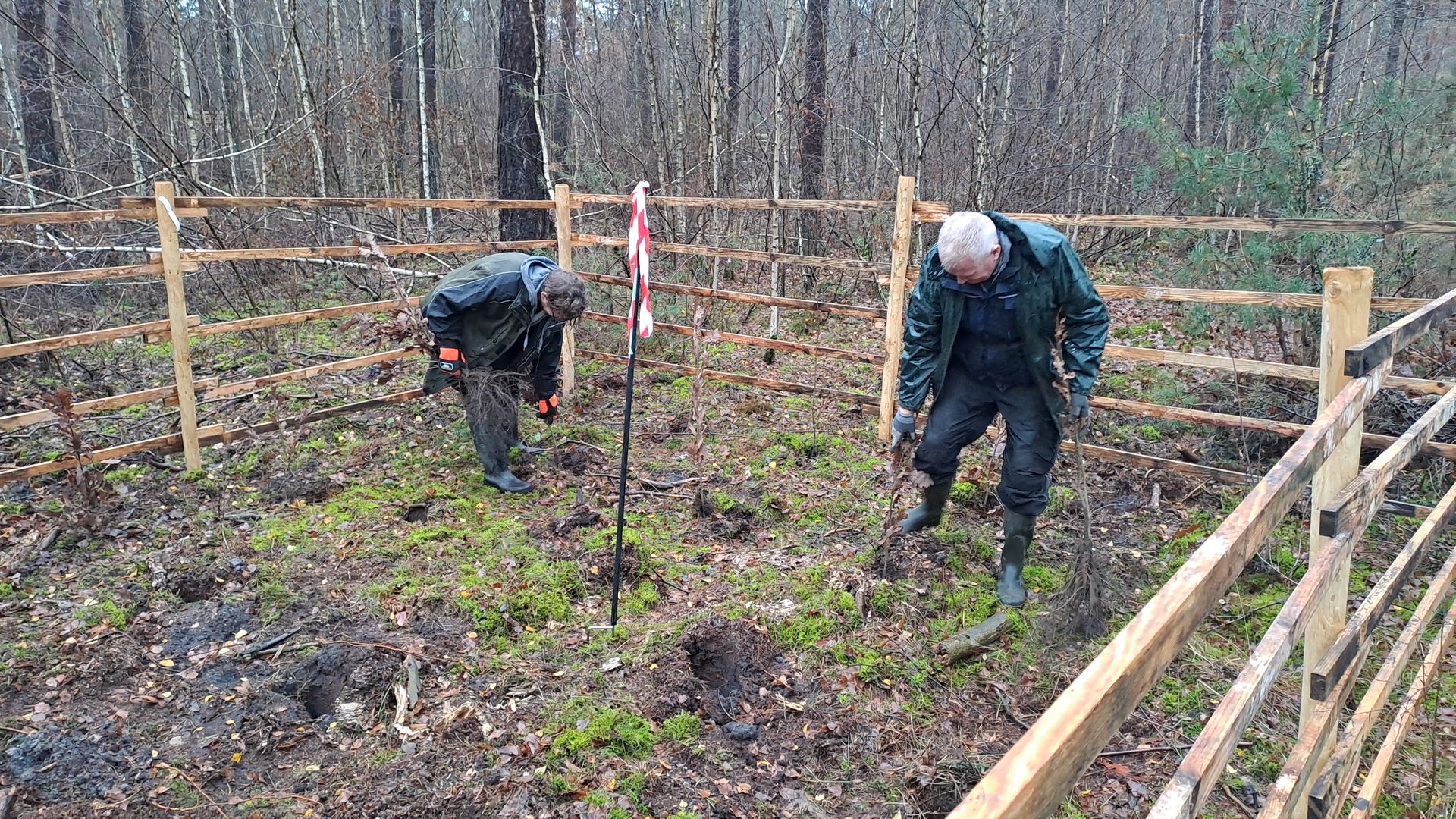
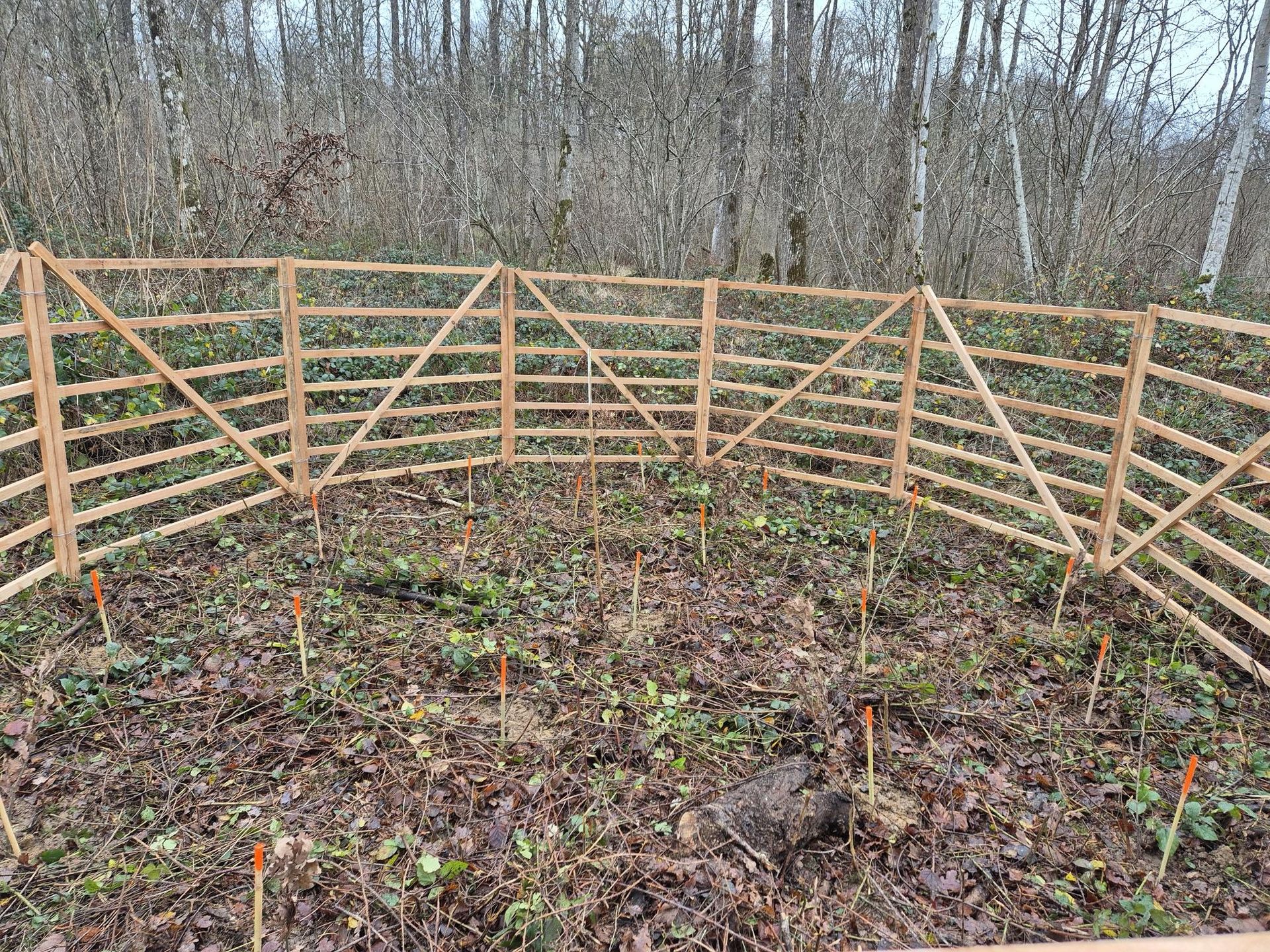
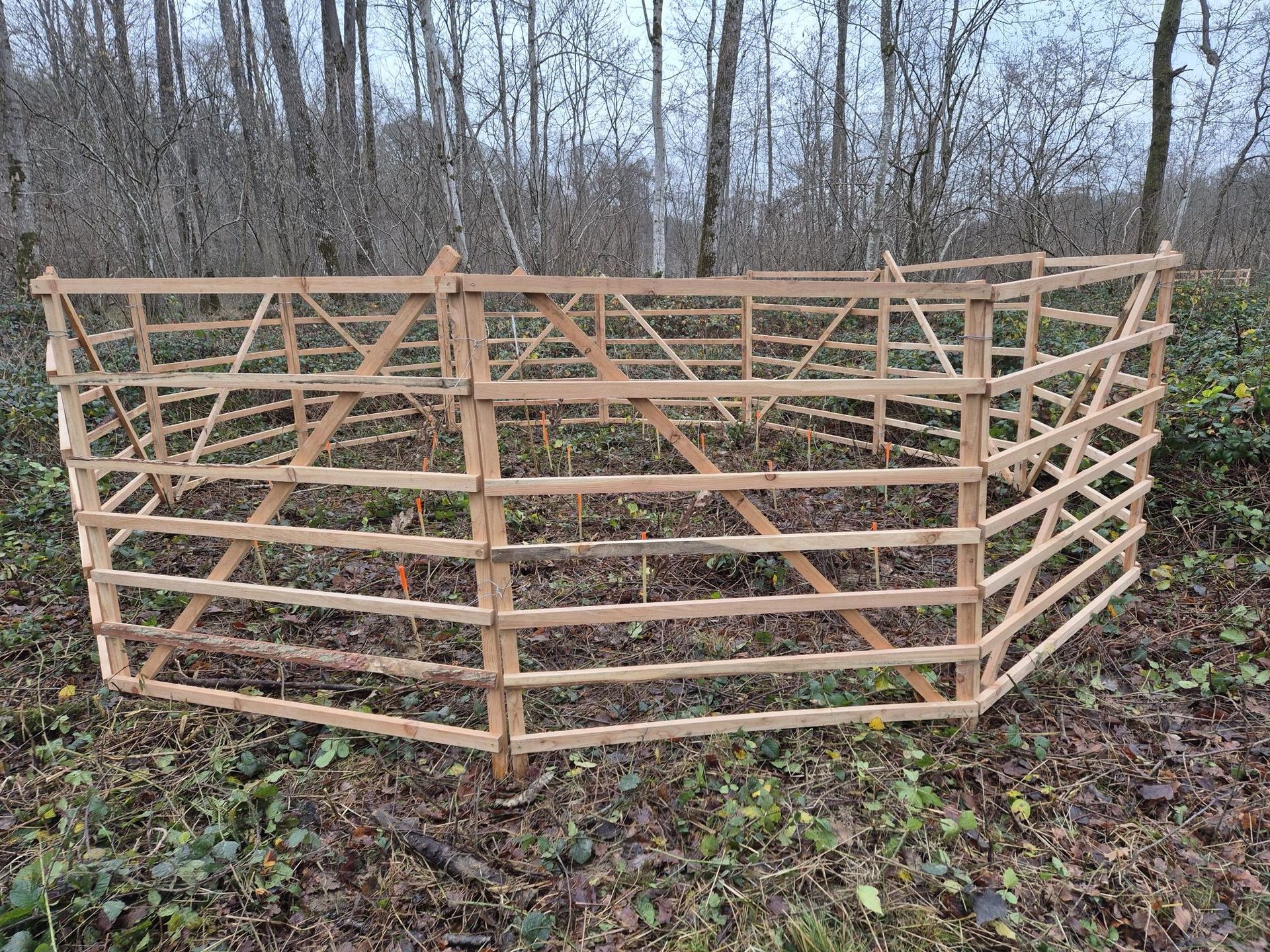
In December, project partner INBO planted 79 enrichment cells of 25 trees each, or a total of 1,975 trees, in partnership with public forest authority ANB.
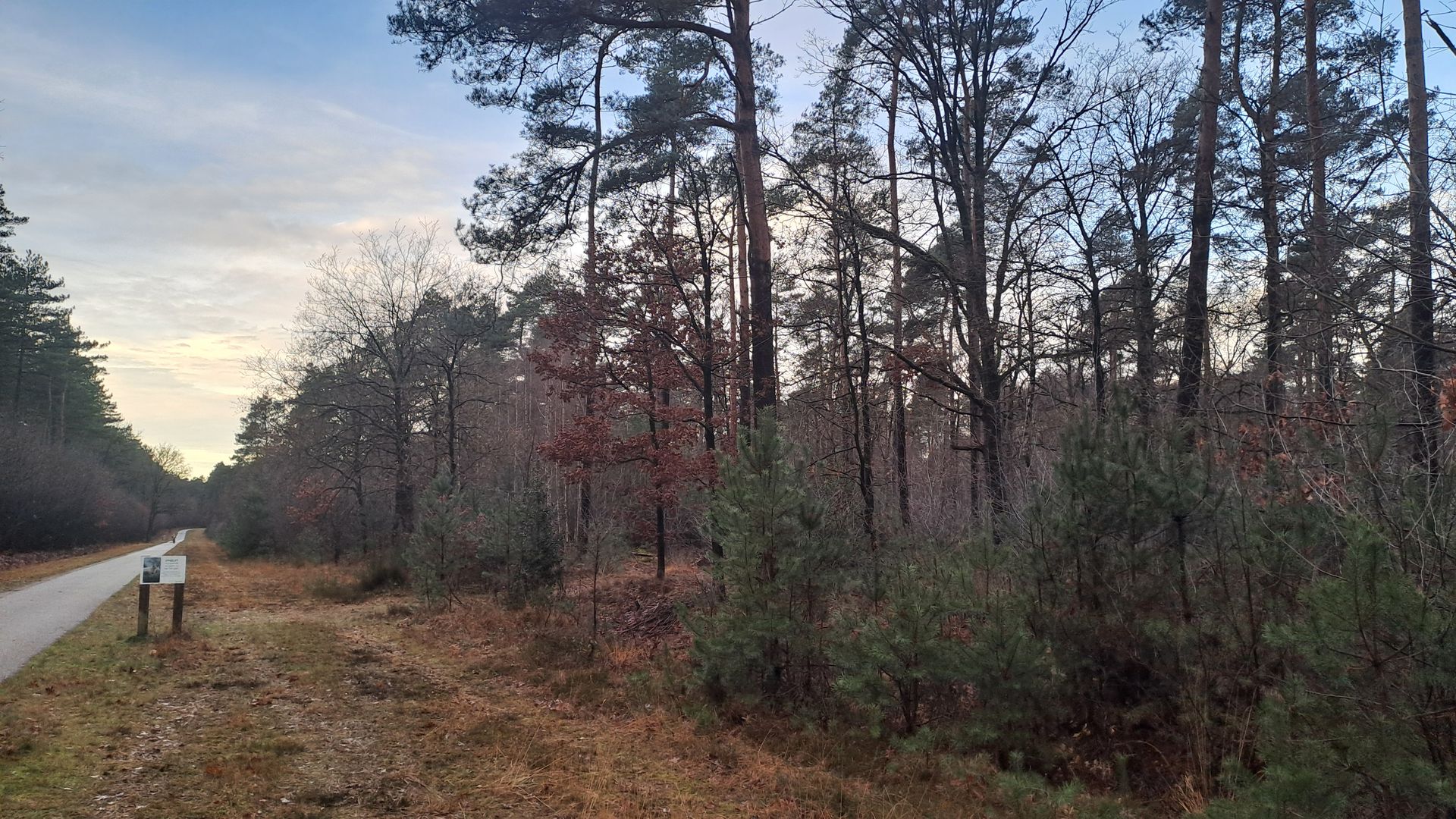
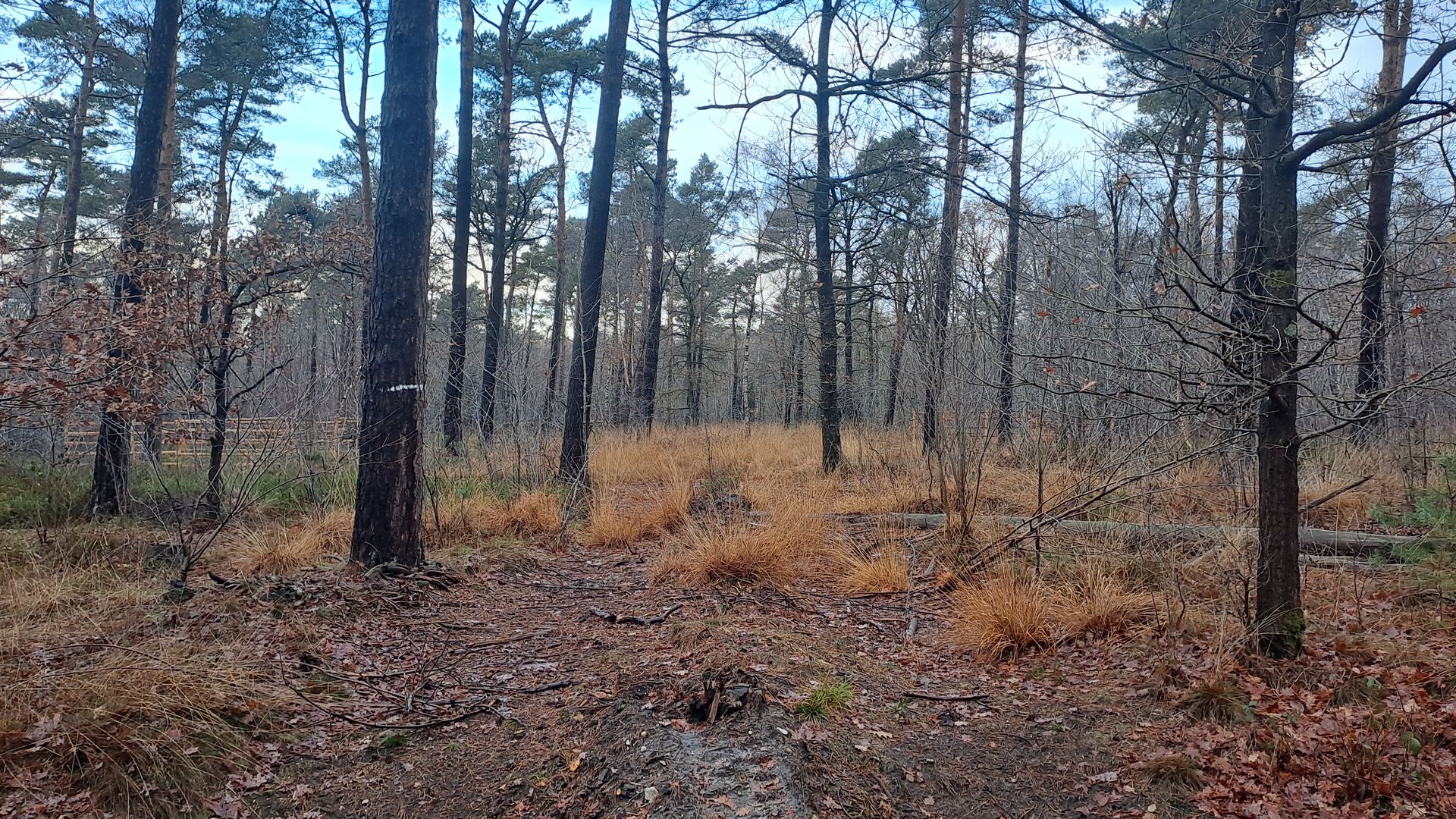
The following species and provenances were planted in the Kempen pilot territory. The pictures below show the plantings by INBO and ANB in Houthalen-Helchteren (Ten Haagdoornheide).
- Sessile oak (Quercus petraea, from Spain and Slovakia)
- Pedunculate oak (Quercus robur, from Slovakia )
- Small-leaved lime (Tilia cordata, from Flanders*)
The introduction of these heat- and drought-tolerant species and provenances strengthens the adaptive capacity of the sandy, nutrient-poor forest soils typical of the Kempen.
*As comparison basis for more lime trees from Bulgaria and Czech Republic to be planted in the next planting seasons.