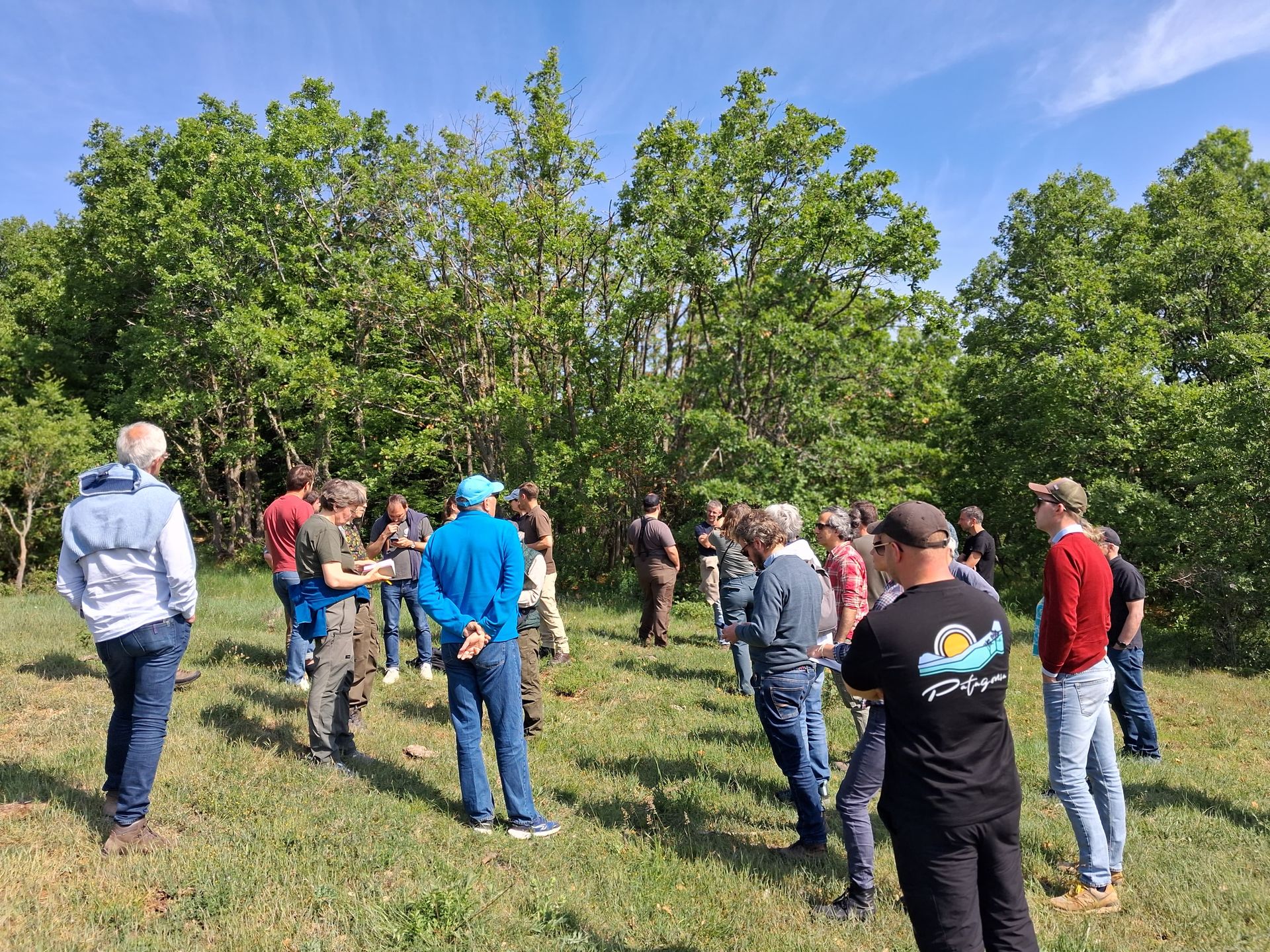
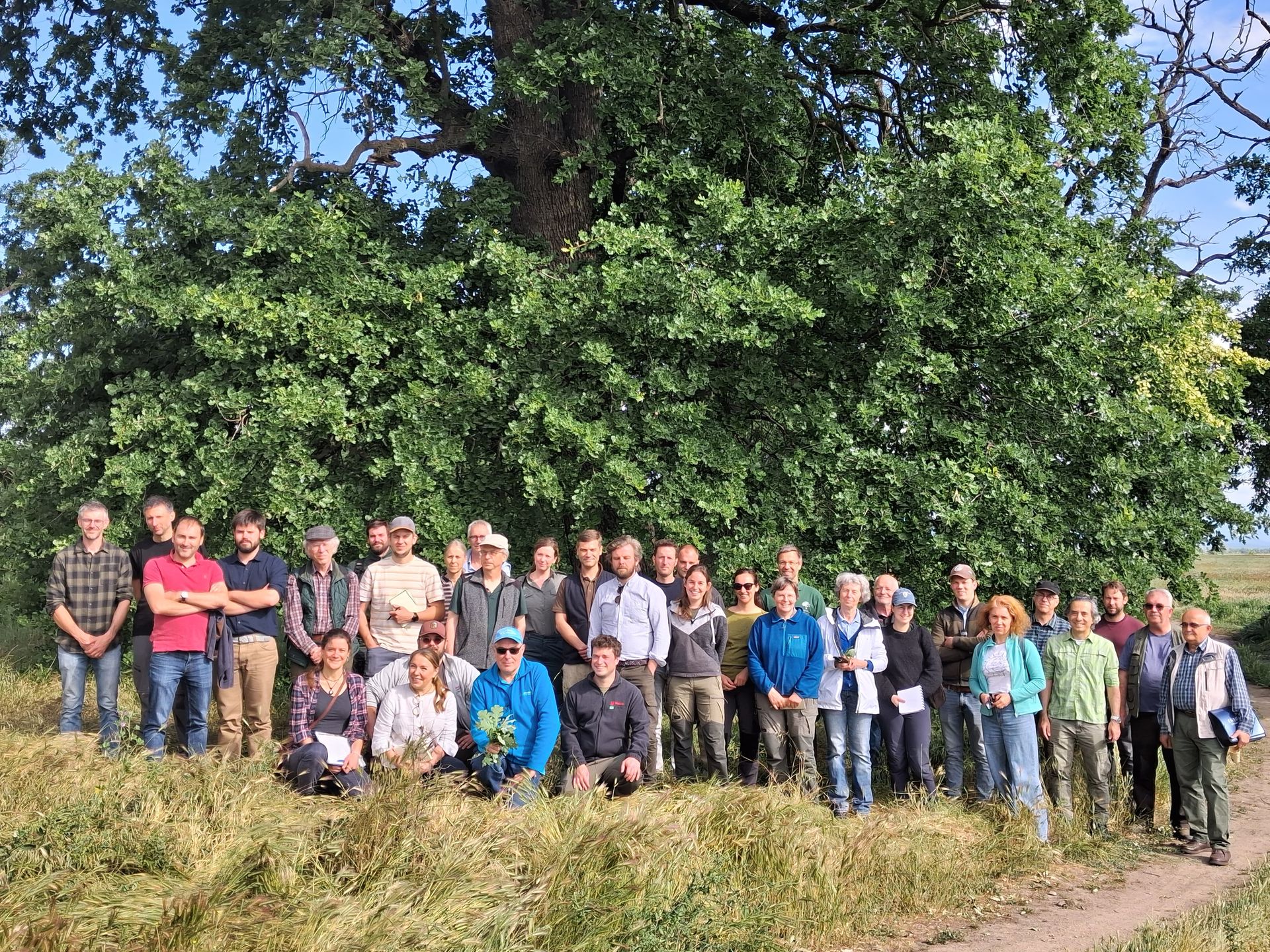
In May 2026, the MigFoRest project organised a study trip to Bulgaria, bringing together 30 forest managers, scientists and nursery professionals from Belgium, France, Germany and the Netherlands. The objective was to observe forest ecosystems already exposed to warmer and drier conditions, and to draw practical lessons for future forest adaptation.
Located at the crossroads of continental, Mediterranean and mountain climates, Bulgaria offers strong environmental gradients over short distances. This diversity makes it a valuable reference for understanding how tree species respond to climate stress and how forestry practices can evolve.
Contrasting forest conditions and species responses
Field visits highlighted how strongly tree performance depends on site conditions. In the Struma valley, pubescent oak (Quercus pubescens) thrives on dry, shallow soils with low rainfall. Although stands are often low in productivity, the trees are resilient and well adapted to drought. This illustrates a likely trend in future forestry: prioritising adapted, stress‑tolerant species over high-yielding but sensitive ones.
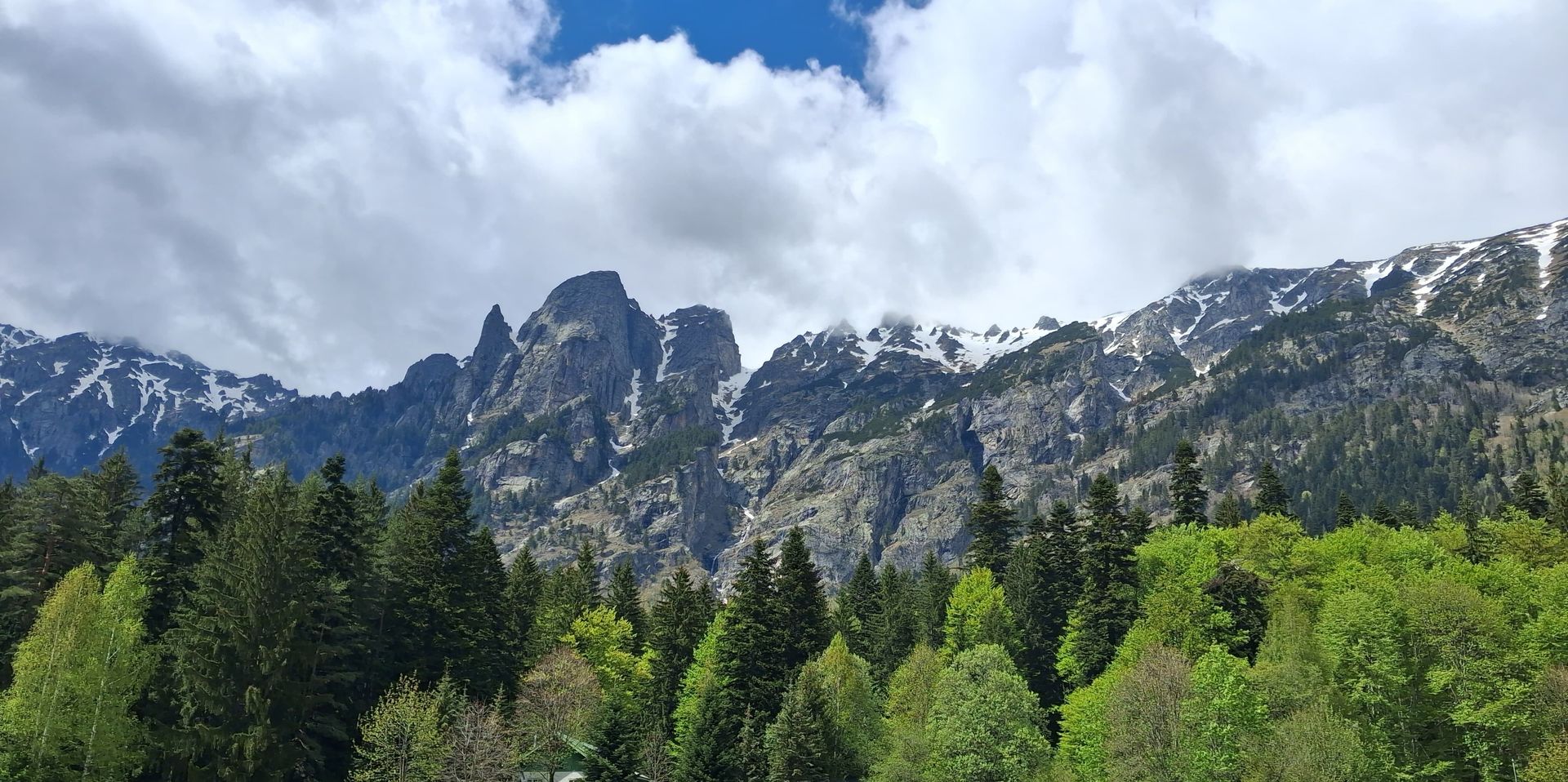
In the Rila Mountains, sessile oak (Quercus petraea) grows under cooler and wetter conditions. Here, late frost damage was observed, showing the importance of local climate and altitude. These observations confirm that choosing the right provenance is as important as selecting the species itself when considering assisted migration.
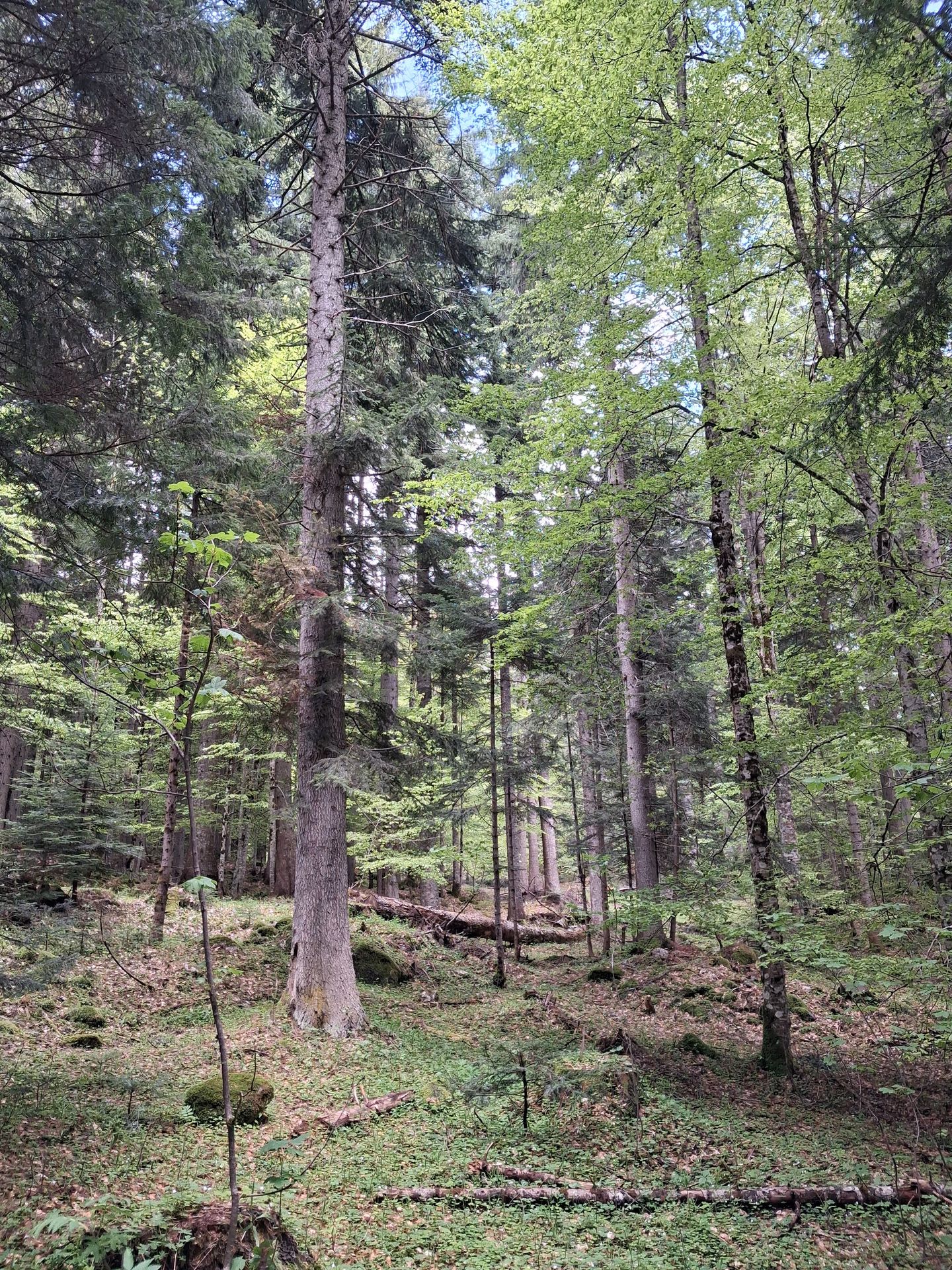
Higher up, mixed forests of silver fir, spruce and beech demonstrate high productivity and stability under favourable moisture conditions. However, such forests are less relevant as models for future climates in north‑western Europe, where water availability is expected to decrease.
Seed resources and practical adaptation tools
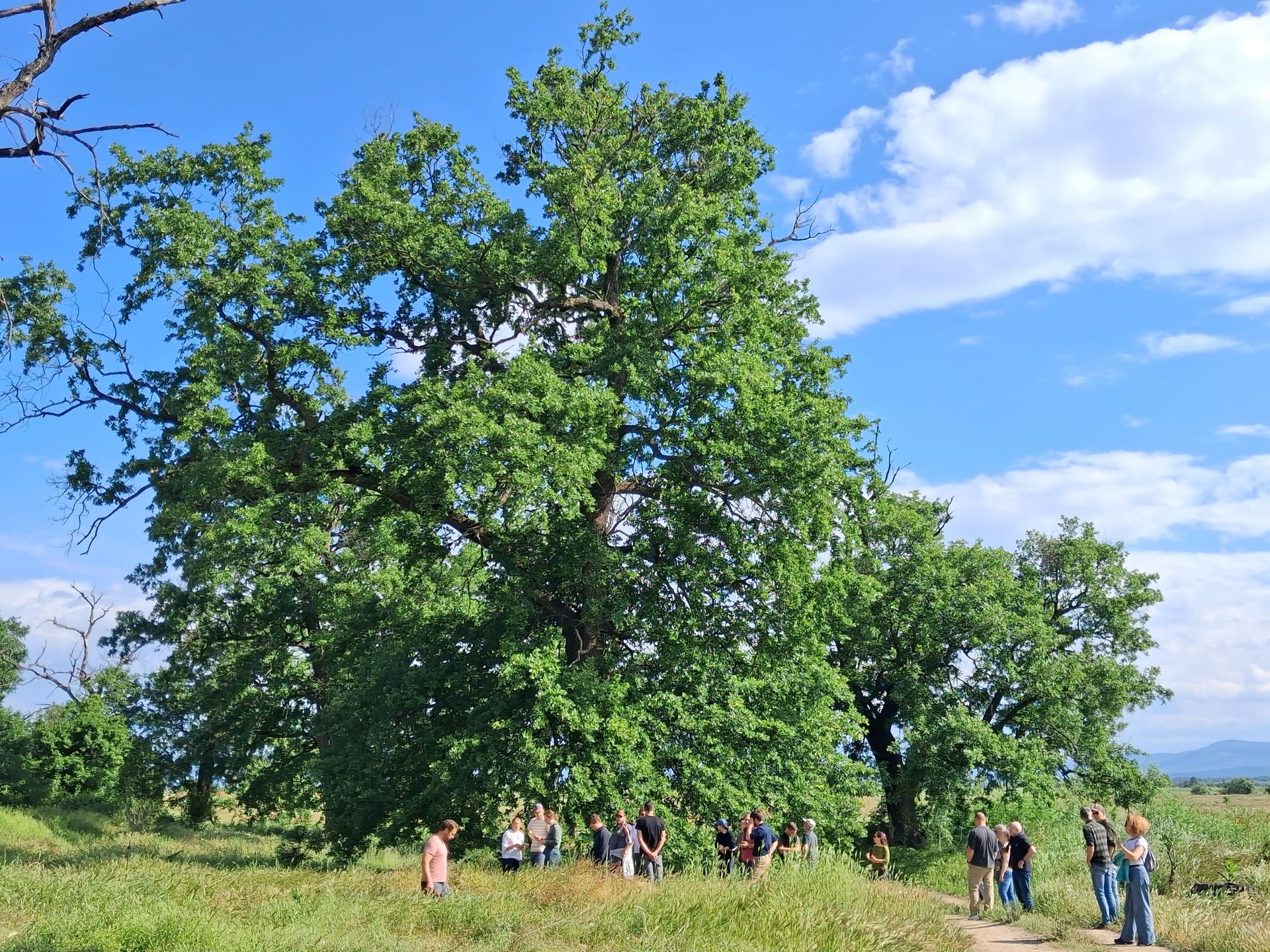
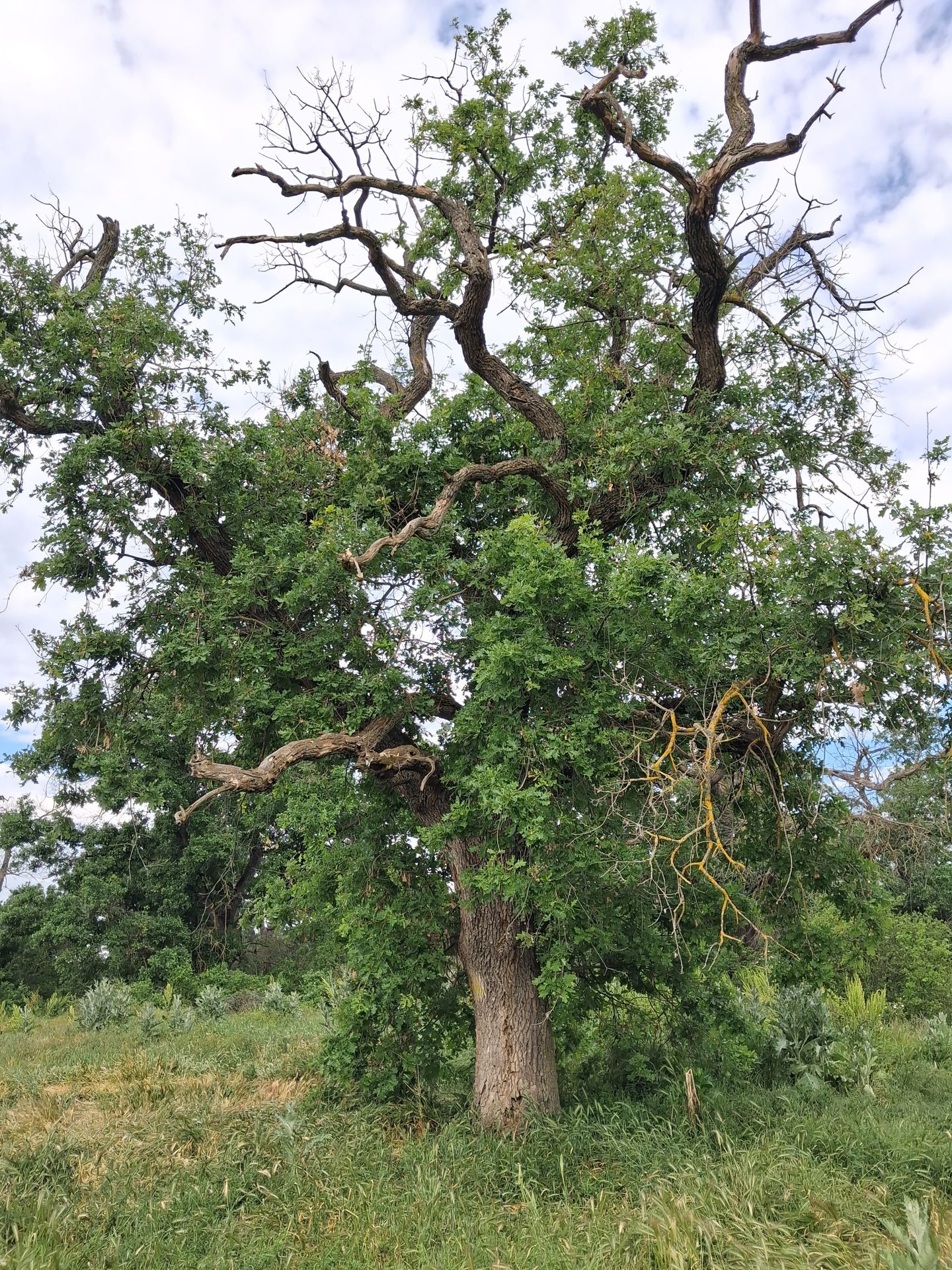
The second part of the visit focused on seed stands and plant production. A pedunculate oak (Quercus robur) stand in the plains near Plovdiv showed visible decline linked to reduced water availability. Despite this, some trees remain healthy, highlighting the importance of identifying and using resilient individuals as seed sources.
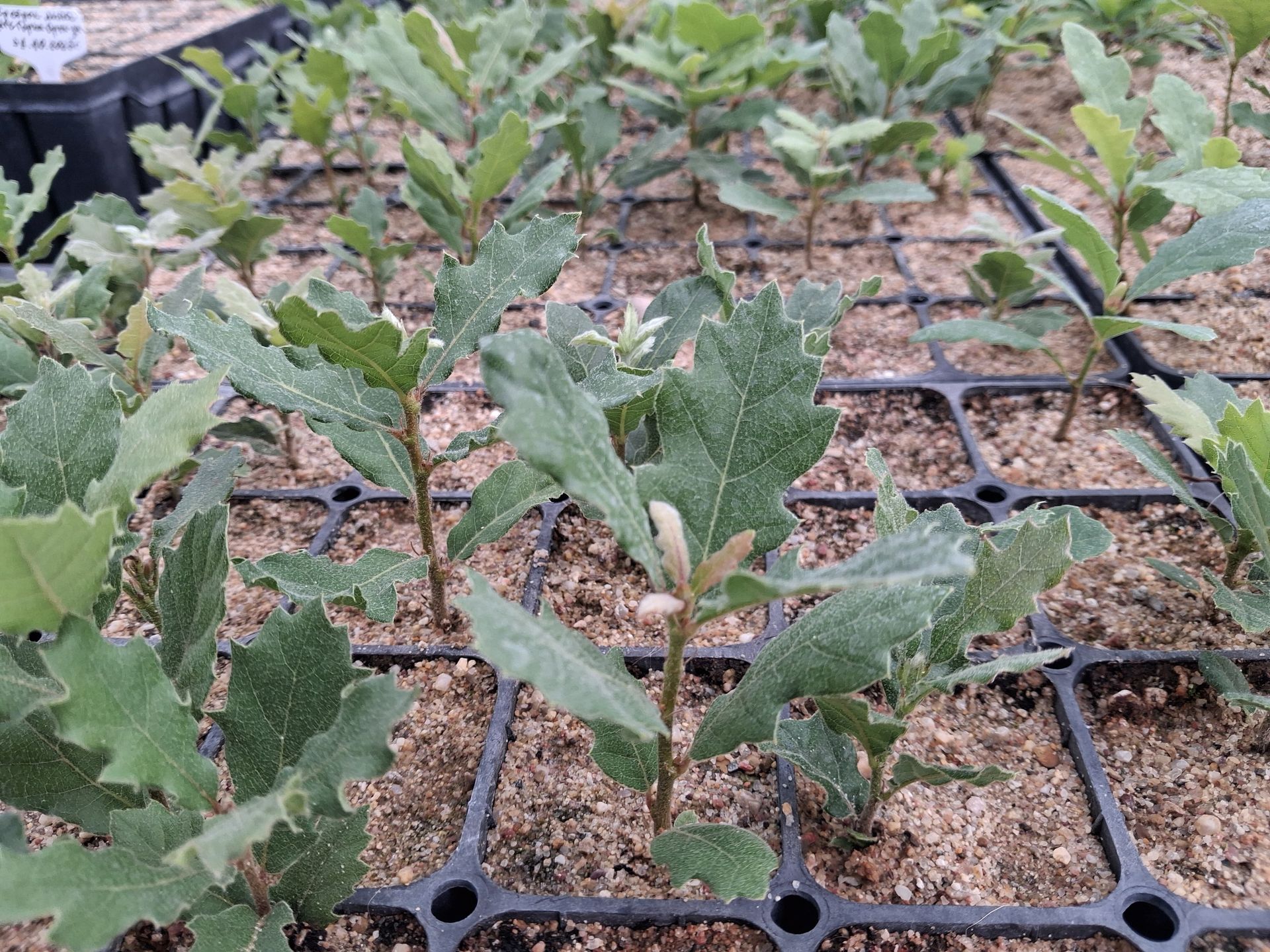
Participants also visited a state forest nursery, where modern techniques ensure high-quality planting stock. Controlled seed sourcing, adapted substrates and automated systems help produce robust seedlings with high survival potential. These technical aspects are key to successful reforestation under changing conditions.
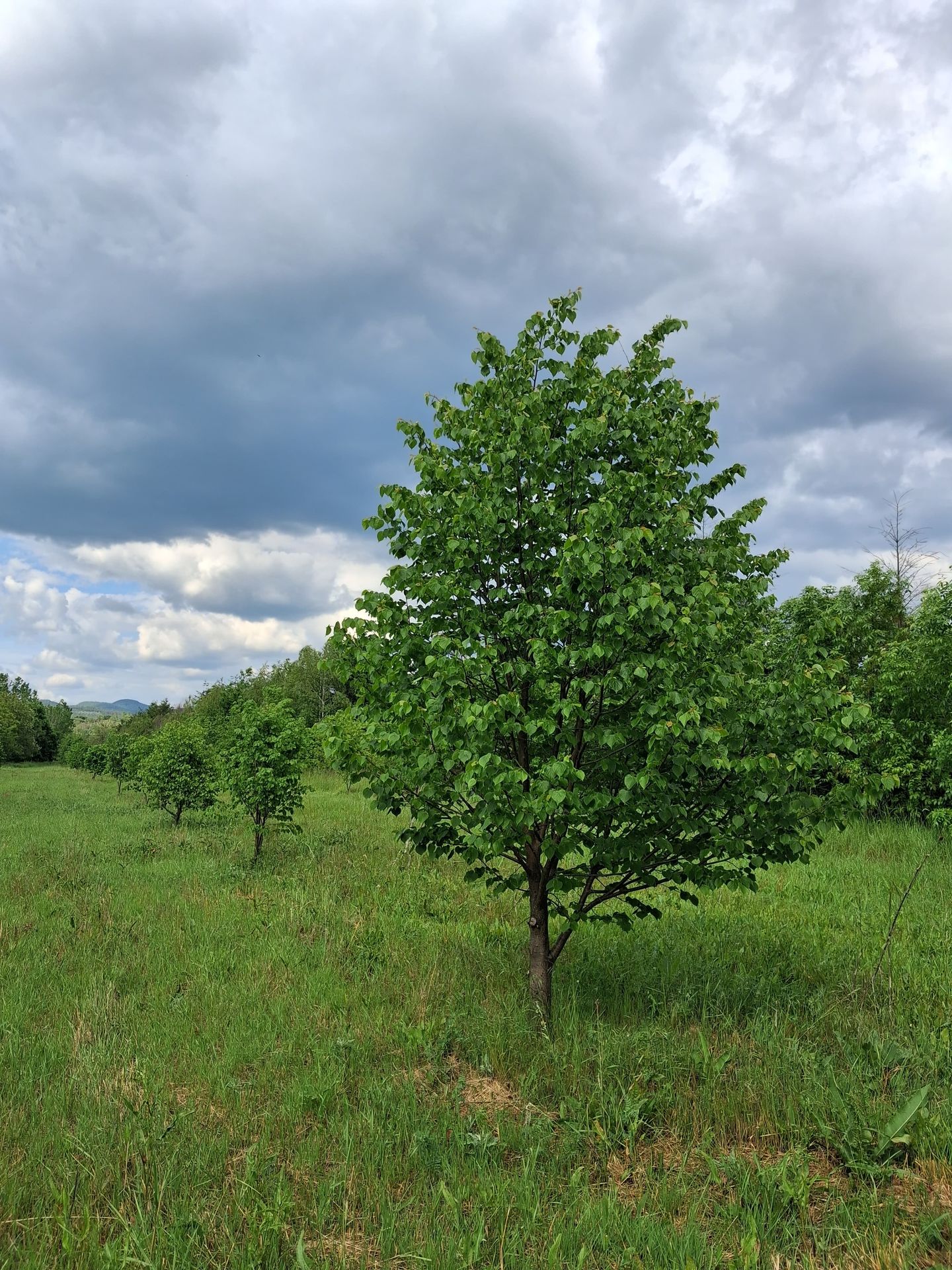
Finally, a small-leaved lime (Tilia cordata) seed orchard illustrated the long-term investments required to secure adapted planting material. Such infrastructures play a crucial role in maintaining genetic quality and ensuring future seed availability.
A shared European challenge
The study trip underlined that forest adaptation relies on a combination of species choice, genetic diversity, seed systems and management practices. It also confirmed the value of exchange between regions: lessons from south‑eastern Europe can help anticipate and better prepare for the challenges ahead in north‑western forests.
As climate change accelerates, learning from these contrasts is essential to build resilient forests for the future.