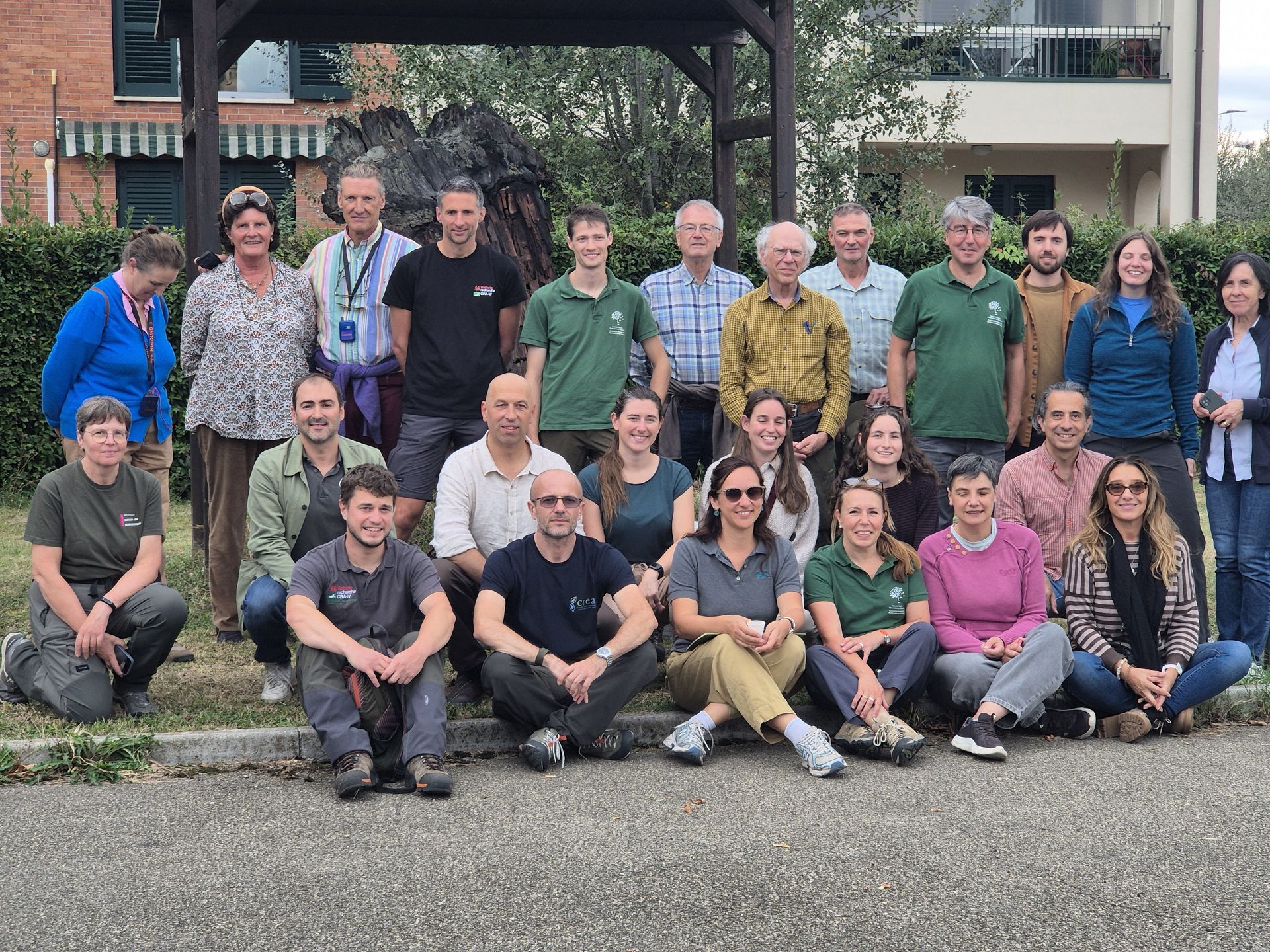
From 6 to 9 October, MigFoRest brought together more than twenty participants in Tuscany for a study trip dedicated to one of the most pressing challenges facing European forests: how to adapt forest ecosystems to a rapidly changing climate.
The group reflected the diversity of the forestry sector, bringing together forest owners, nursery professionals and researchers from France, Belgium, Germany and of course, Italy.
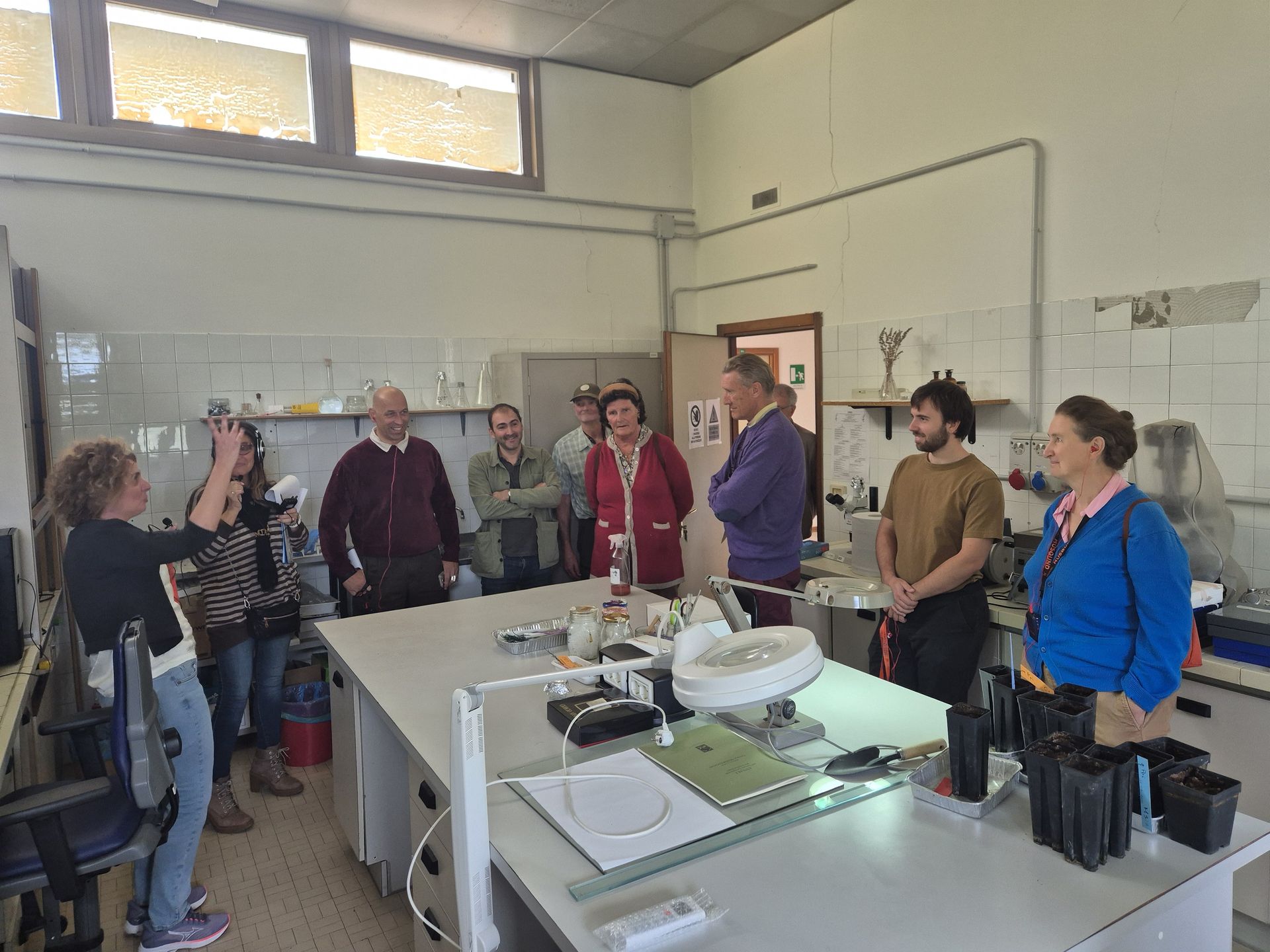
The study trip began at the CREA Forestry and Wood Research Centre in Arezzo, where participants were welcomed by researchers working at the forefront of forest genetic conservation and adaptation.
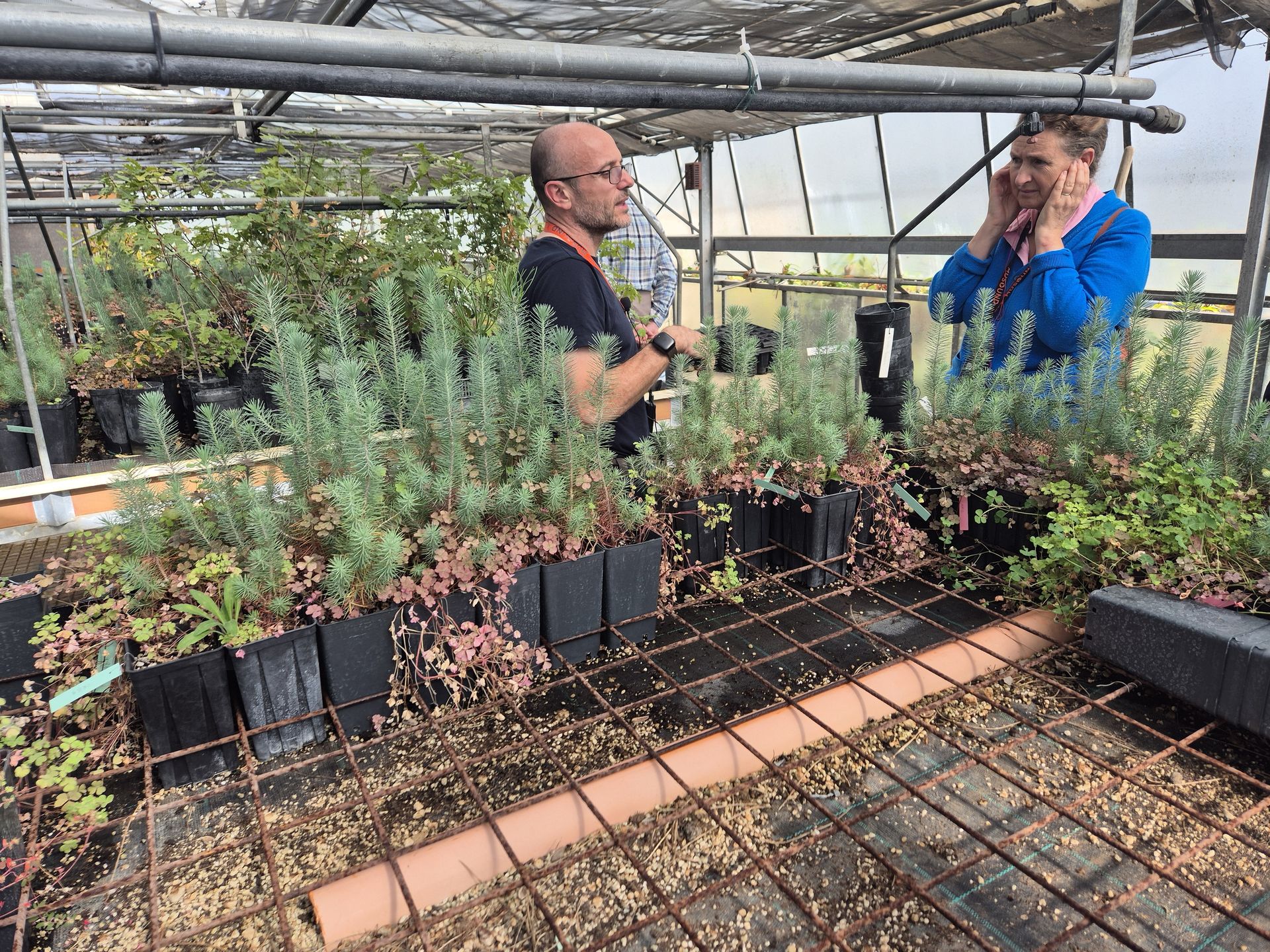
The morning provided an opportunity to learn more about ongoing research on forest genetic resources; production of forest reproductive material; conservation of genetic diversity and strategies for increasing the resilience of future forests.
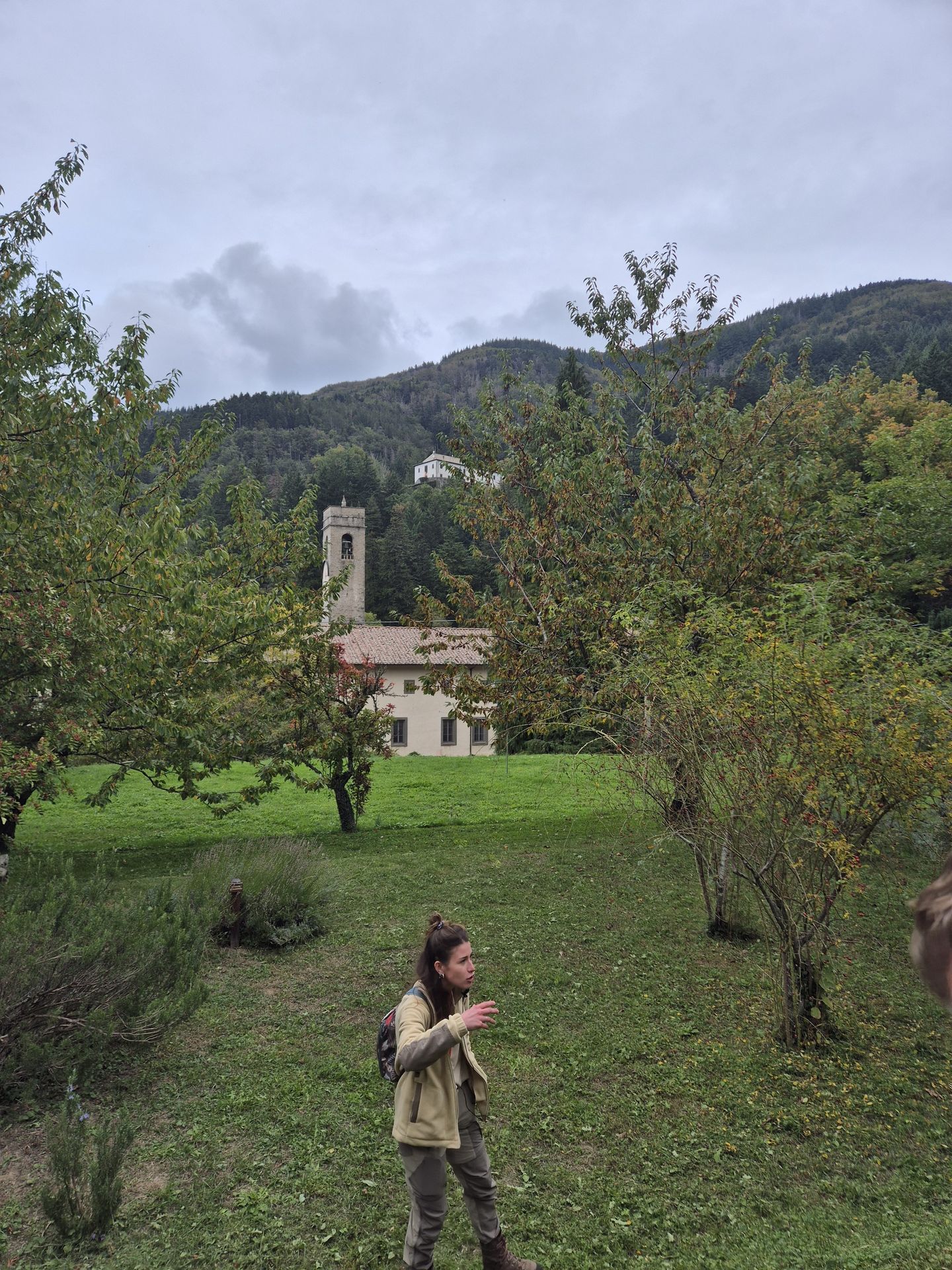
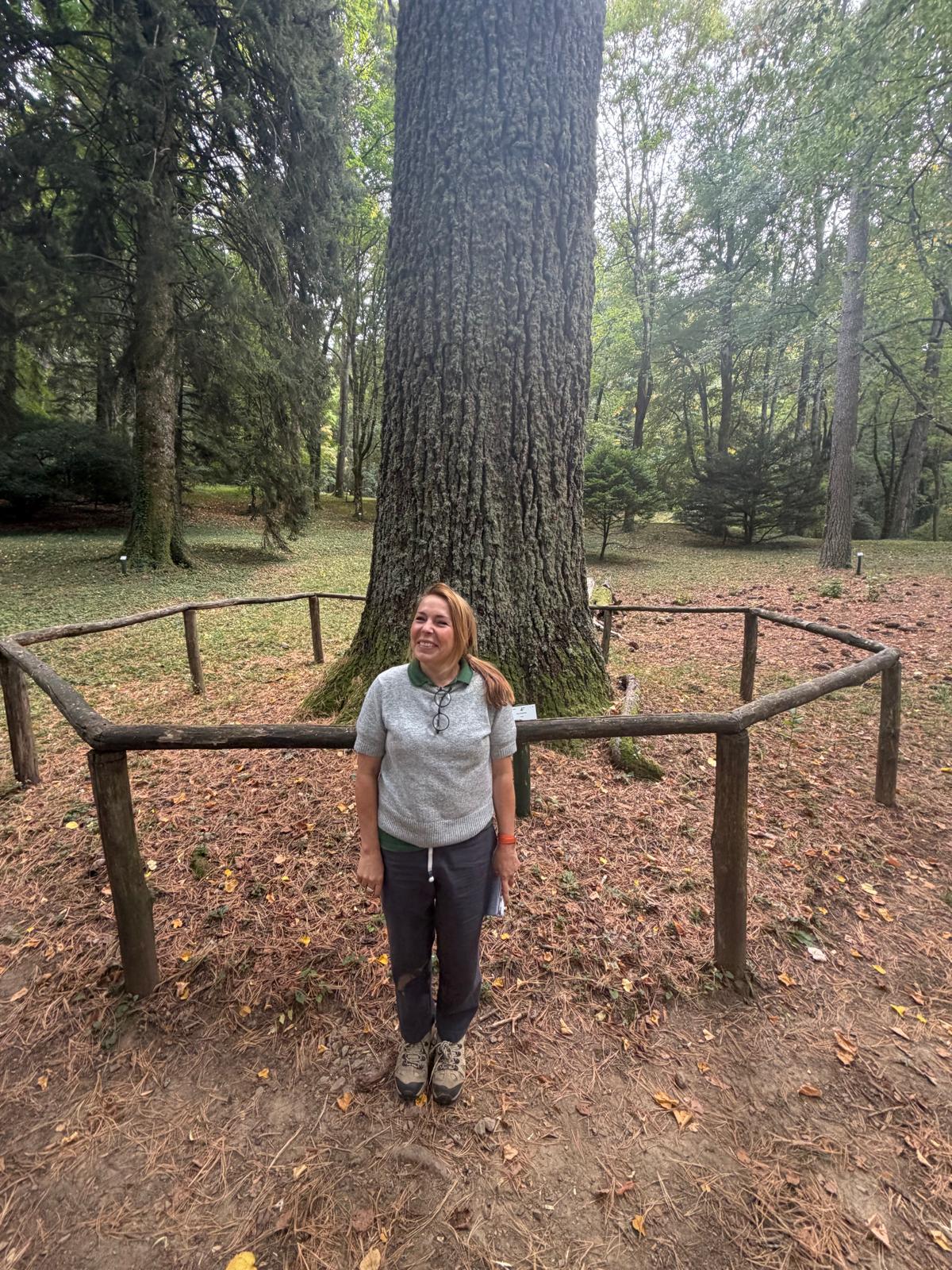
One of the highlights of the trip was the visit to the Vallombrosa Experimental Forest, guided by CREA researcher Giovanbattista De Dato and Jessica Ferrarini, from the Carabinieri Forestali.
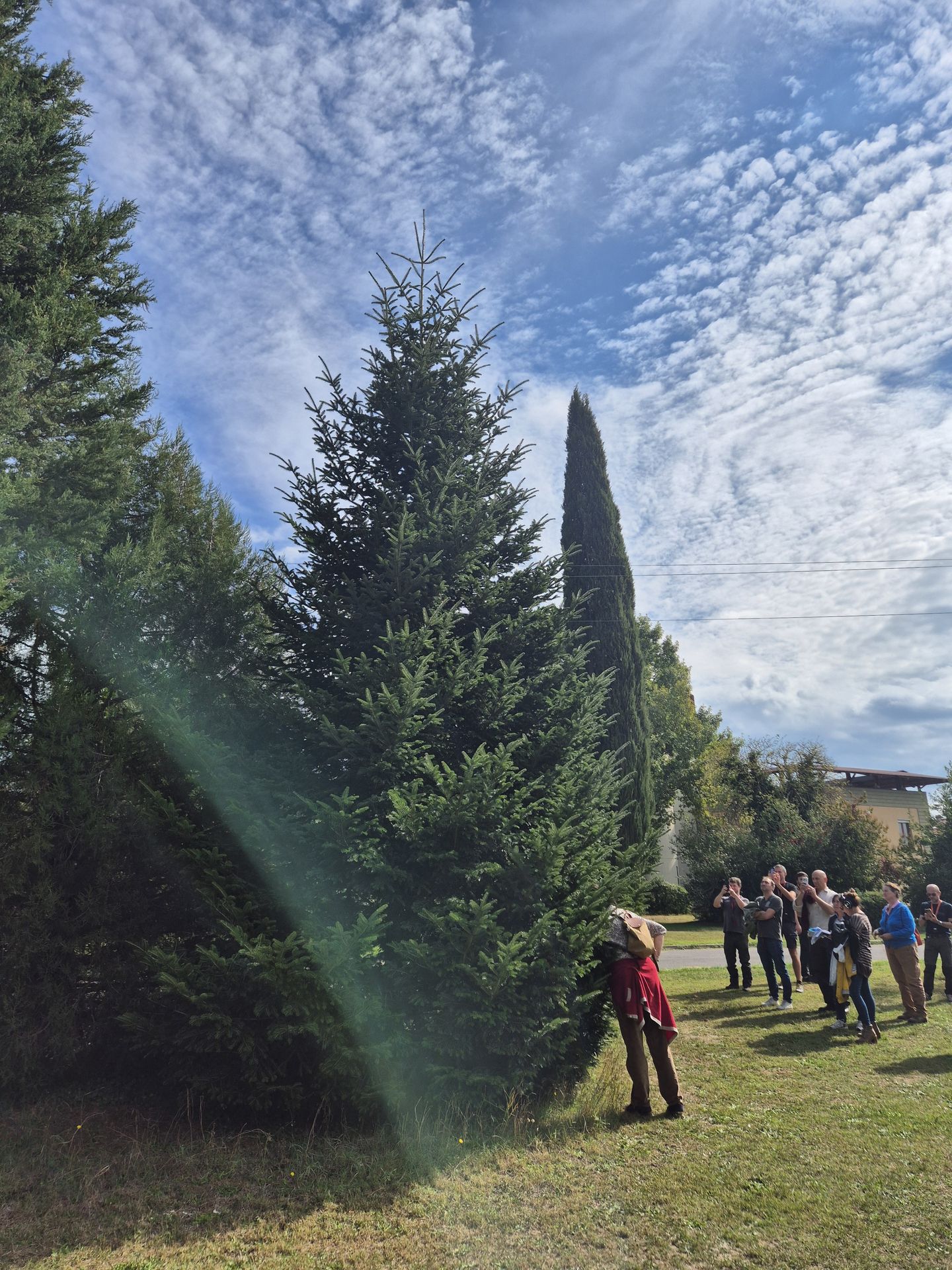
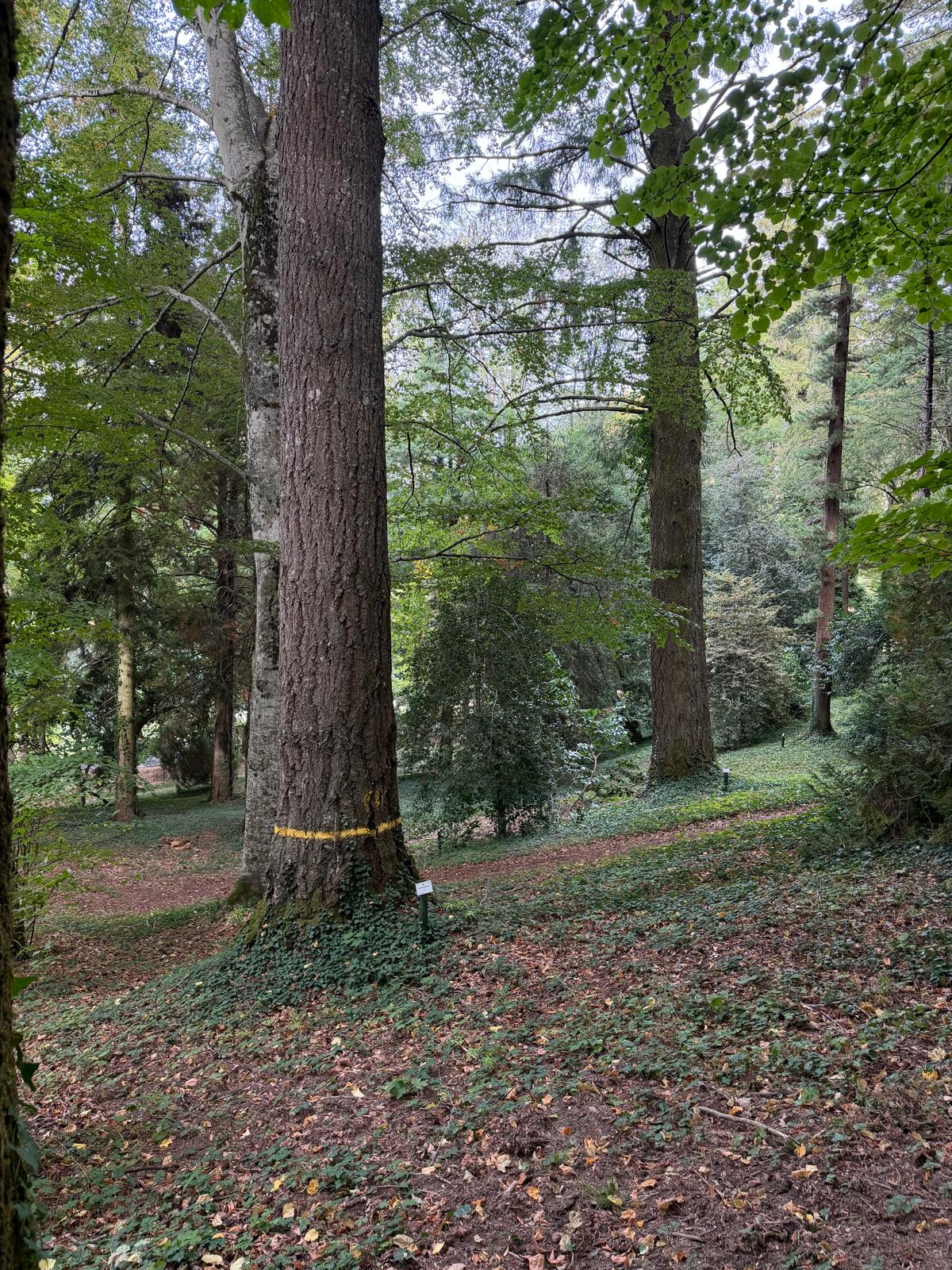
For over 150 years, foresters at Vallombrosa have tested tree species and provenances from different regions of the world under Tuscan conditions. In many ways, the arboretum can be seen as one of Europe's oldest "living laboratories" for assisted migration, far before the expression was even used.
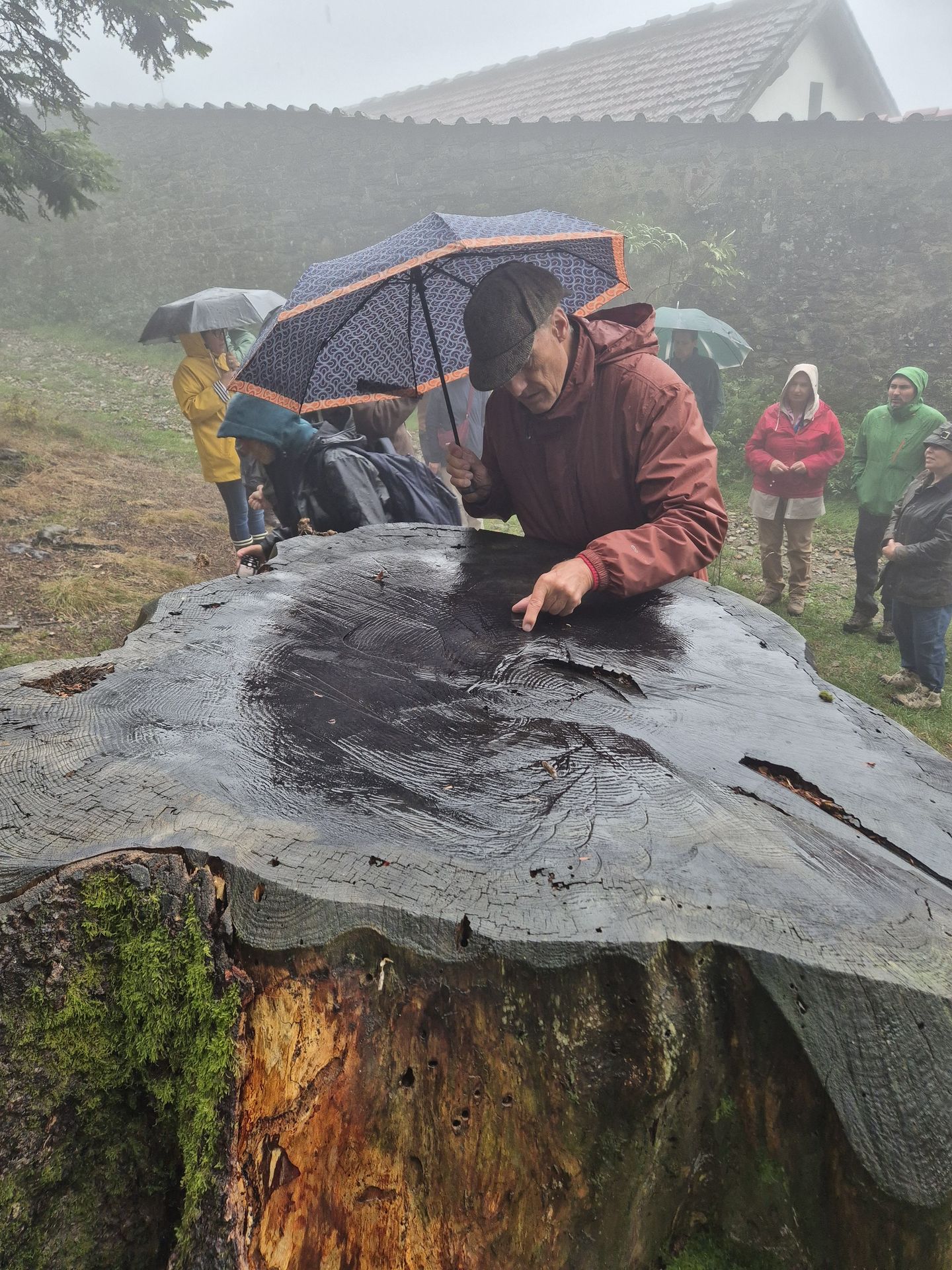
Among the most impressive features were the monumental conifers introduced from North America, including spectacular coast redwoods and a gigantic sugar pine (Pinus lambertiana).
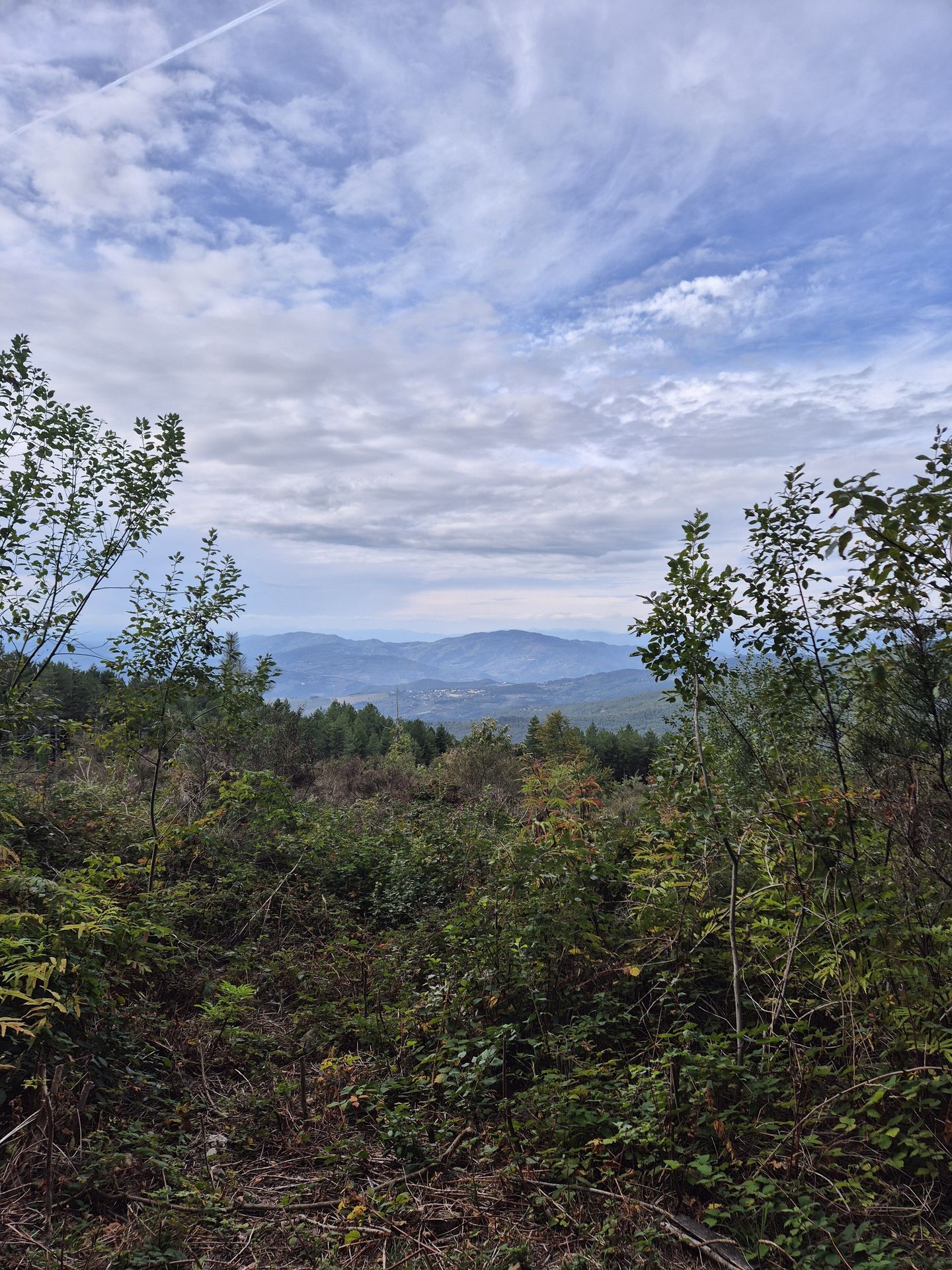
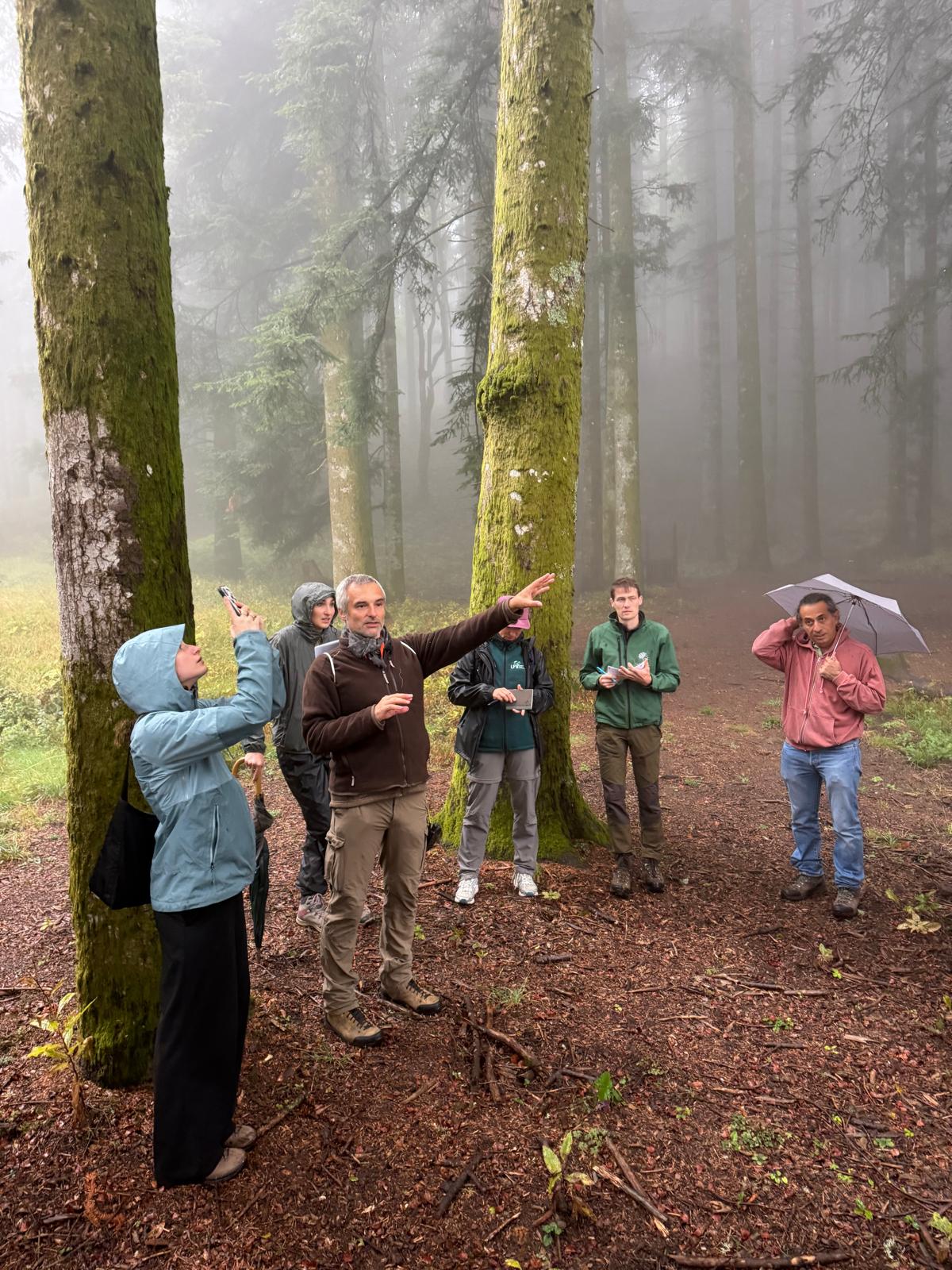
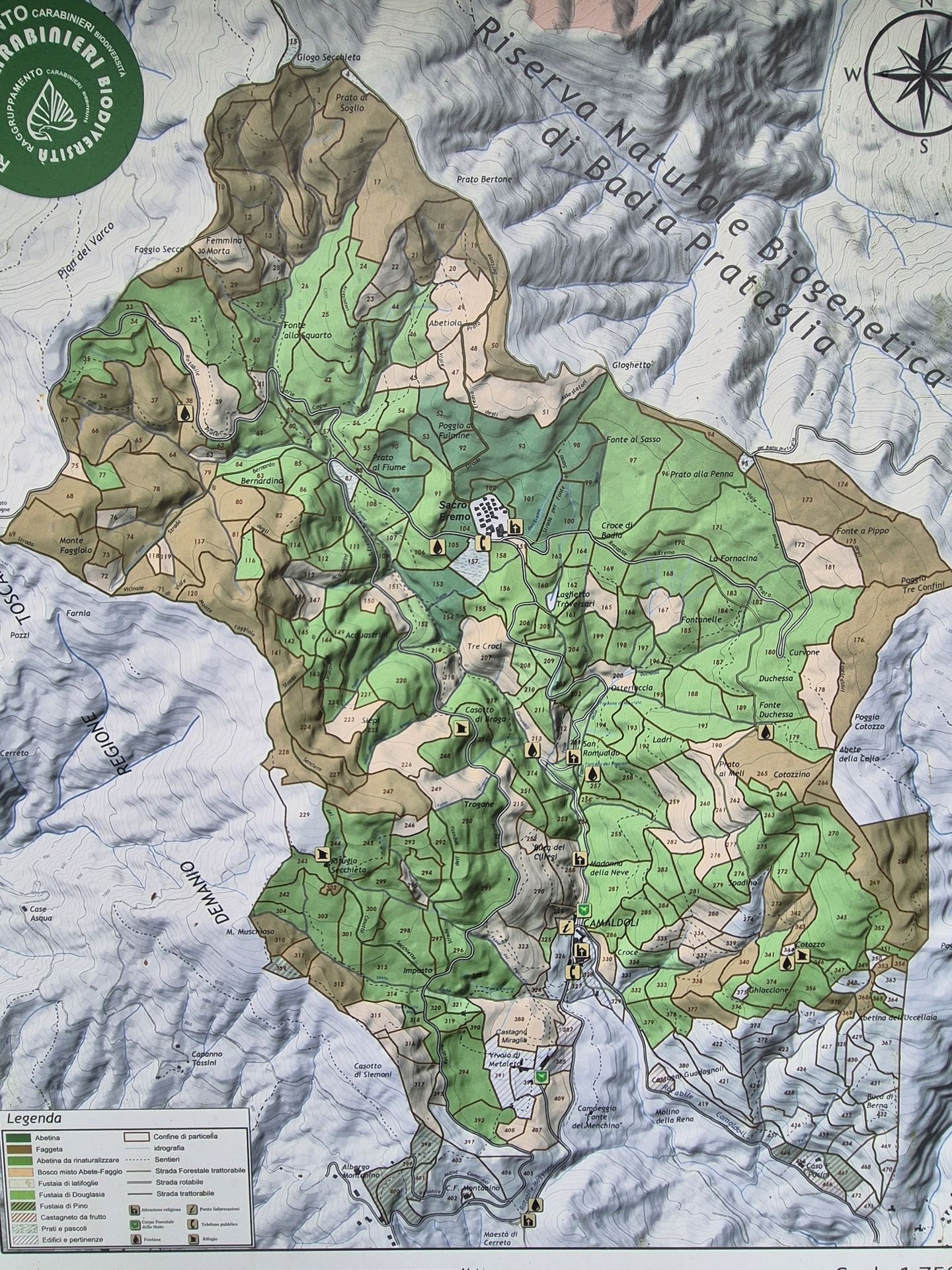
The second field day took participants into the Casentino Forest National Park, one of Italy's most renowned forest landscapes.
Under the guidance of Andrea Piotti and Maria Beatrice Castellani, the group learned about the park's ongoing Abies project on Abies alba and current genetic research on pedunculate oak (Quercus robur), pubescent oak (Quercus pubescens), Turkey oak (Quercus cerris) and cork oak (Quercus suber), illustrating how genetic knowledge can support forest restoration and conservation strategies.
The study trip concluded with presentations and discussions at the National Park headquarters, where Allessandro Fani shared his experience with the past and current forest management of the Park.
MigFoRest would like to warmly thank Giovanbattista De Dato and Andrea Piotti for helping us coordinating this trip, as well as the teams of CREA, the Casentino Forests National Park and the Carabinieri Forestali for their hospitality, expertise and commitment throughout the visit.
An extended study trip report will be shared on this website soon.